Hiking the Lake Blanche Trail Near Salt Lake City, Utah
The Lake Blanche trail needs no introduction, and even as someone who grew up in Salt Lake City, I’m still amazed I can drive just 30 minutes from my home to hike to this stunning alpine lake. Despite its growing popularity over the past decade, it remains my “must-do” hike in the Wasatch Mountains. Whenever someone asks me if they should hike it, my answer is always: Do it!
Since I have hiked Lake Blanche over a dozen times, I can offer deeper insights and knowledge that will help you enjoy the hike even more! So let’s get ready to hit the trail!
A Little Backstory
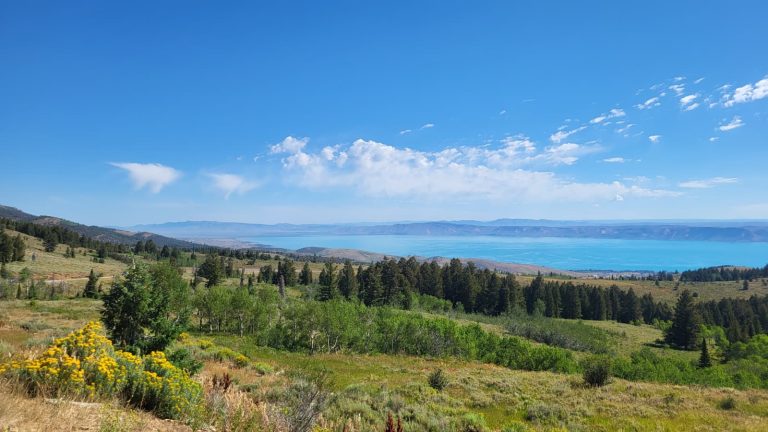
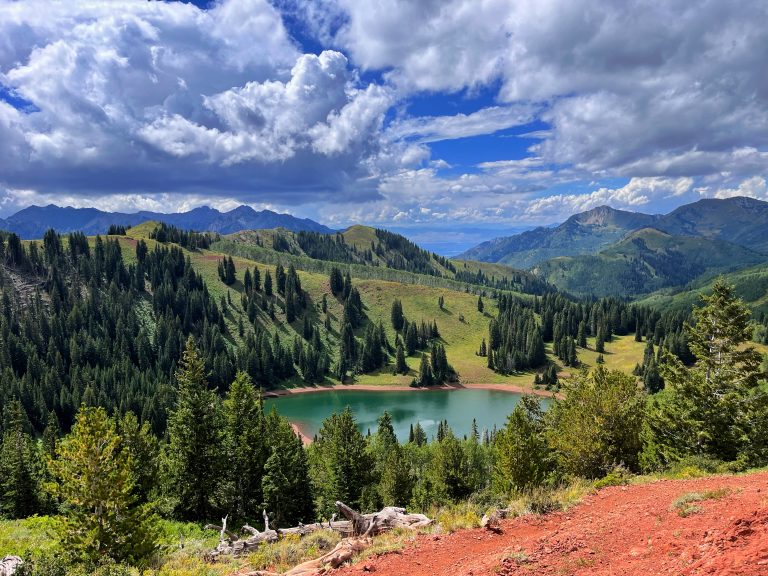
Beyond the beauty, Lake Blanche holds a deeper meaning for me. My family and I first discovered this trail in 2005, long before smartphones, when the only thing we relied on was the signage at the trailhead and our determination. As a 12-year-old, I was utterly captivated by those two images of the lake, and every failed attempt only made my curiosity grow.
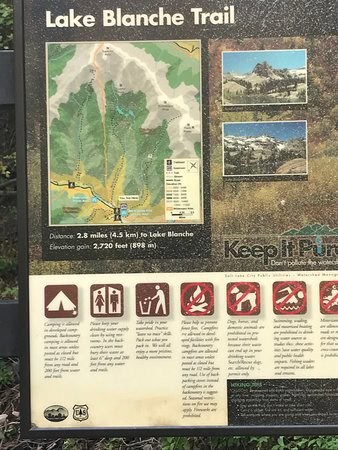
Imagine how different it was: there were no blogs, no AllTrails, no social media to guide us, just this sign. We didn’t know what lay ahead, and we couldn’t rest until we found out! The mystery of what was up there is something I still can’t put into words.
Finally, in 2007, at the age of 14, we finally reached the lake after nearly a dozen attempts. As a poor family of immigrants, with limited means but endless hope, that moment felt like a victory! That journey ignited my love for the outdoors, and since then, returning to Lake Blanche every year has become one of my most cherished traditions.
Lake Blanche Trailhead Directions
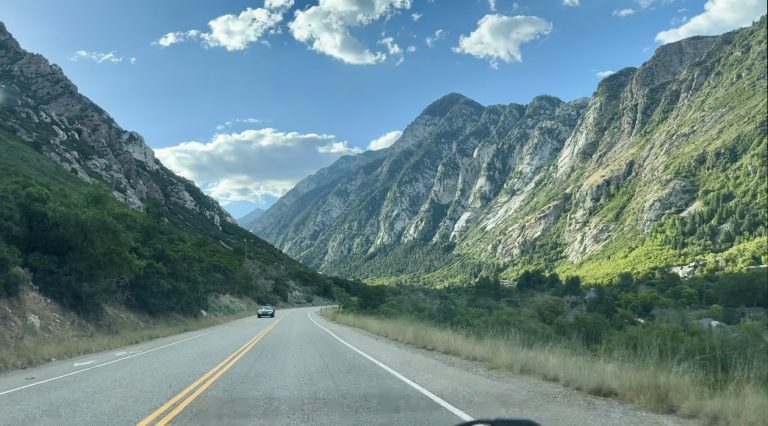
Lake Blanche is located in Big Cottonwood Canyon, in the Central Wasatch Mountains. This part of the range hugs the east bench of the Salt Lake Valley, making it possible to hike in the morning and still have plenty of time to explore Salt Lake City in the evening!
Getting there: Google Maps
From the airport:
- Take I-80 eastbound to I-125 southbound
- Exit at 6200S (Wasatch Blvd)
- In a few miles, turn left onto UT-190 (Big Cottonwood Canyon Road)
- Drive 4 miles up the canyon; turn right at the small Mill B South Trailhead sign
This is where the hike begins, just below the famous “s-curve“.Though you may see names like Lake Blanche, Broads Fork, or Mill B South on maps, they all refer to the same trailhead. Lake Blanche and Broads Fork are the two separate trails that begin here.
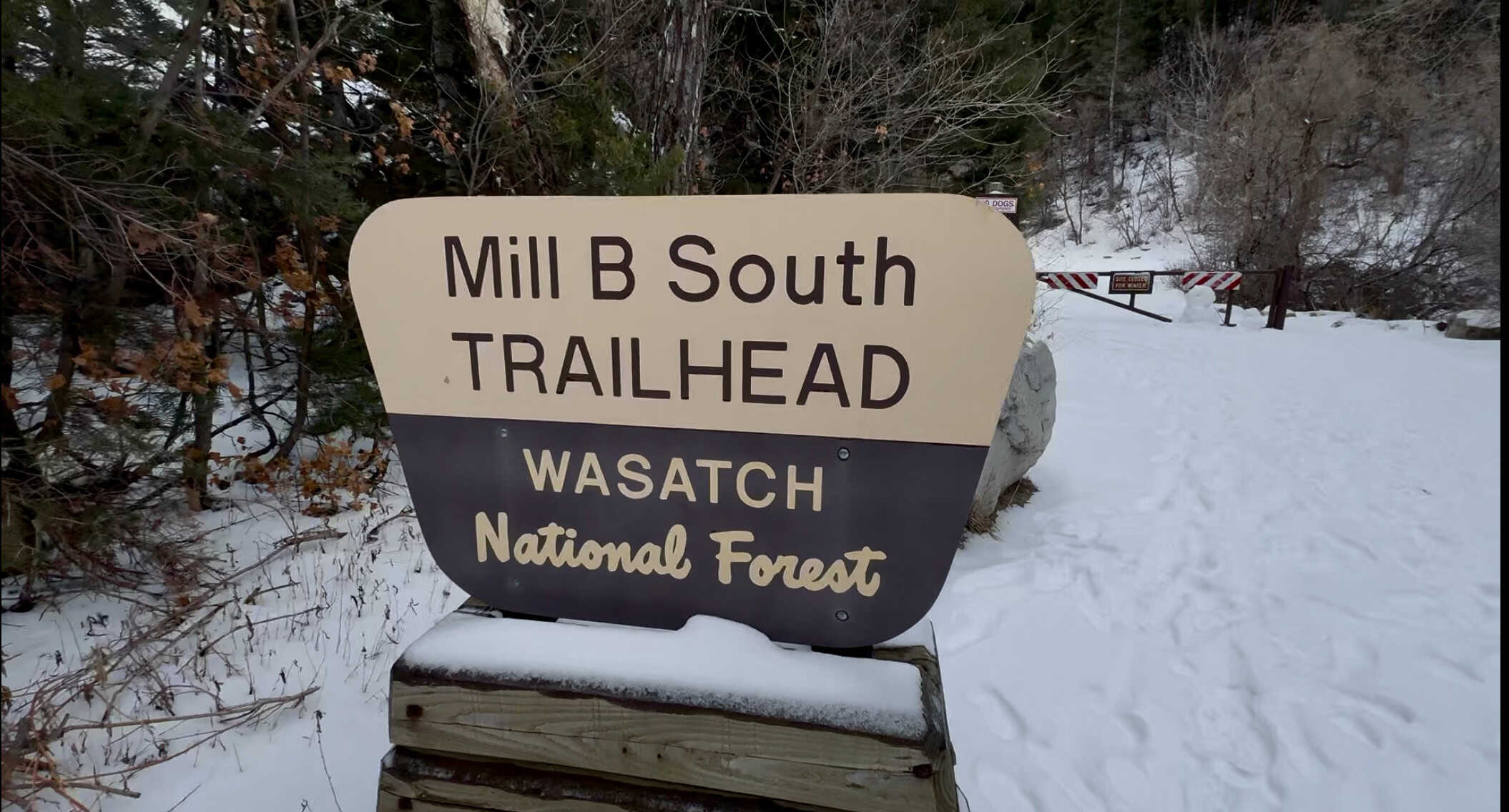
The trailhead is small but hard to miss, as you will see a lot of cars parked alongside the road. Try not to miss the turn off, otherwise you can flip a U in about a mile. Please don’t attempt to turn around on the S-curve!
Pro Tip: Arrive early! We arrived at 6 am on Saturday (May 27th, 2023), and the actual trailhead was nearly full. For overflow, as of 2026, there is no restriction on parking along the road, but it’s imperative to be mindful of where you park.
In the winter, the gate to the trailhead closes, so street parking is the only option. However, winter is quieter, so finding parking isn’t usually an issue.
Pro Tip: Never leave valuables in your car. My friend’s car was broken into here years ago. This is easily avoidable by leaving nothing in plain sight.
Lake Blanche Trail Stats
Is Lake Blanche brutal or beginner-friendly? Depending on who you ask, the answers will vary. Personally, my fitness level has ebbed and flowed over the years, and currently, I consider this hike to be moderate. Difficulty is very subjective, but here are the stats.
Trail Difficulty Breakdown:
- Start: Easy (paved but steep walkway for first 0.25 miles/0.4 km)
- First Half: Moderate (steady climb through forest)
- Second Half: Hard (steep, relentless switchbacks)
- Overall: Moderate to Hard – be prepared for a serious climb!
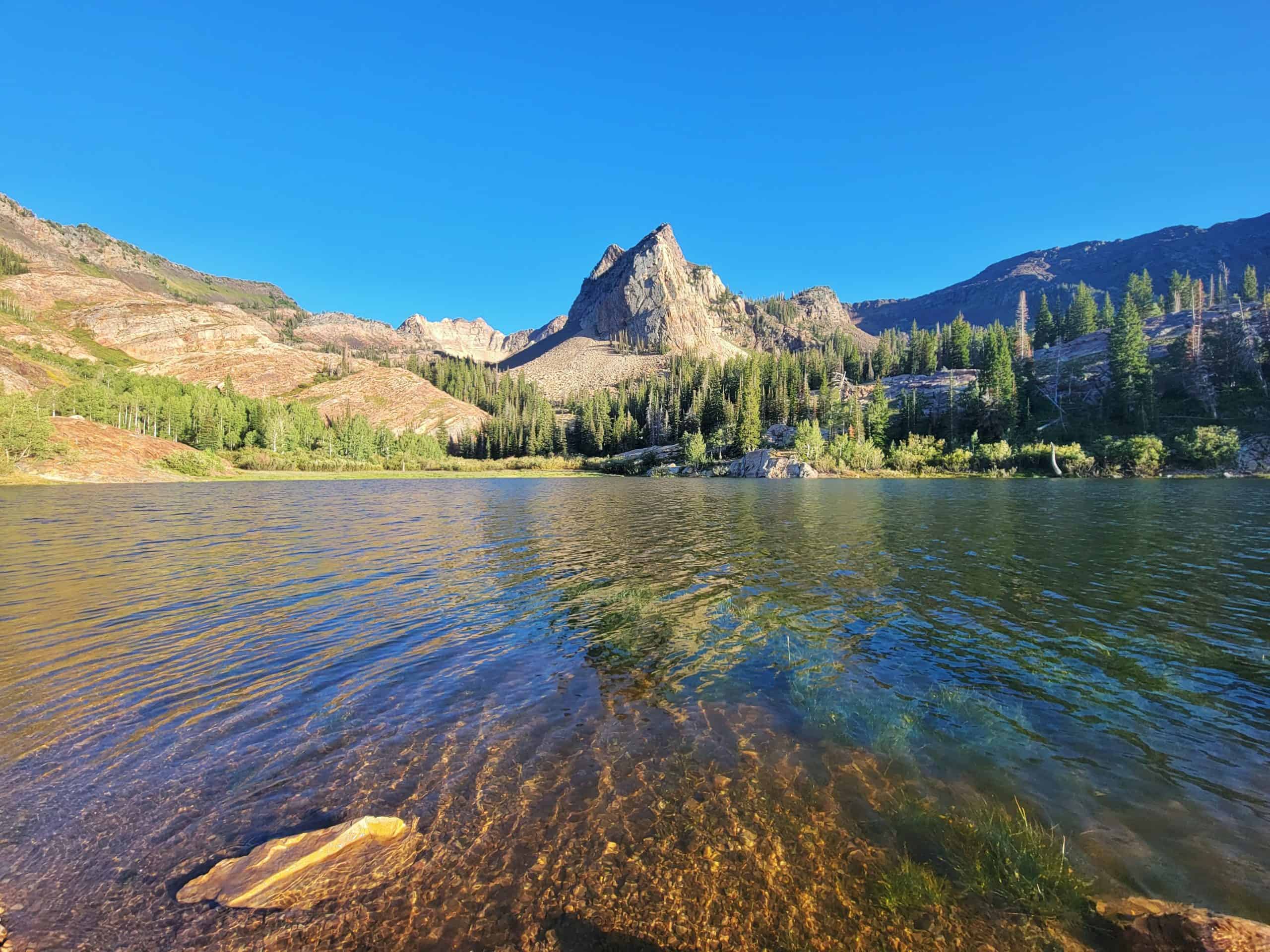
Lake Blanche Hike
From start to finish, Lake Blanche is easily my favorite hike in Big Cottonwood Canyon in terms of raw, unfiltered natural beauty. The first half gains only one-third of the elevation, leaving the steeper climb for the second half. But trust me, those steep switchbacks pay off in the most incredible way!
The First Half
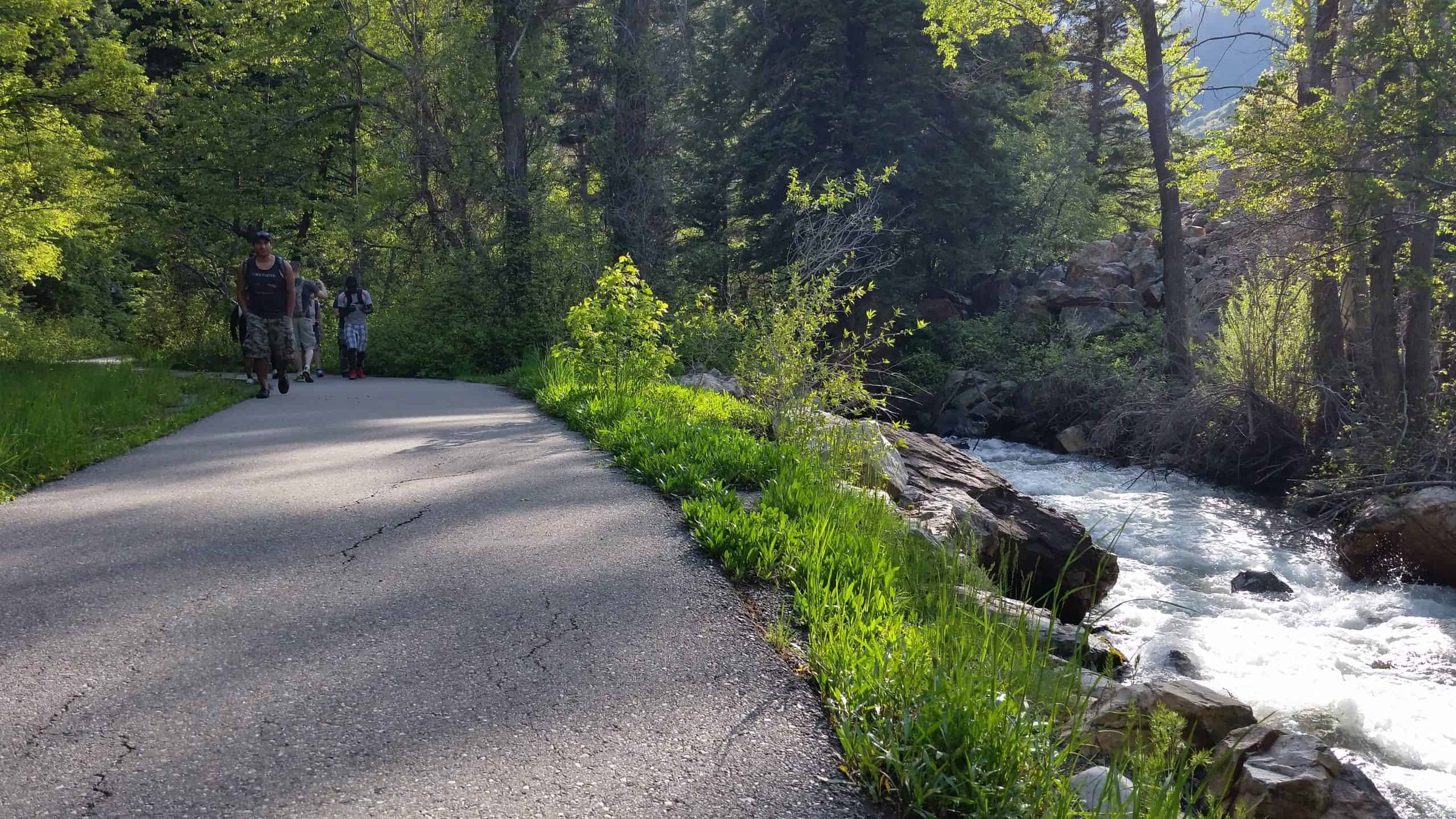
You start on a scenic paved walk along the rushing Big Cottonwood Creek. This section is called the “Mill B South Trail”, named after the second of six lumber mills (Mill B) built in the area during the 1800s. After a quarter mile (0.4 km), you will see a split to the right onto a rocky trail, which will be your route!
But here’s a secret most people miss: just past the Lake Blanche trail junction lies a beautiful waterfall. This 10-foot (3 m) cascade is where the Lake Blanche drainage flows into Big Cottonwood Creek and is worth your time to see!
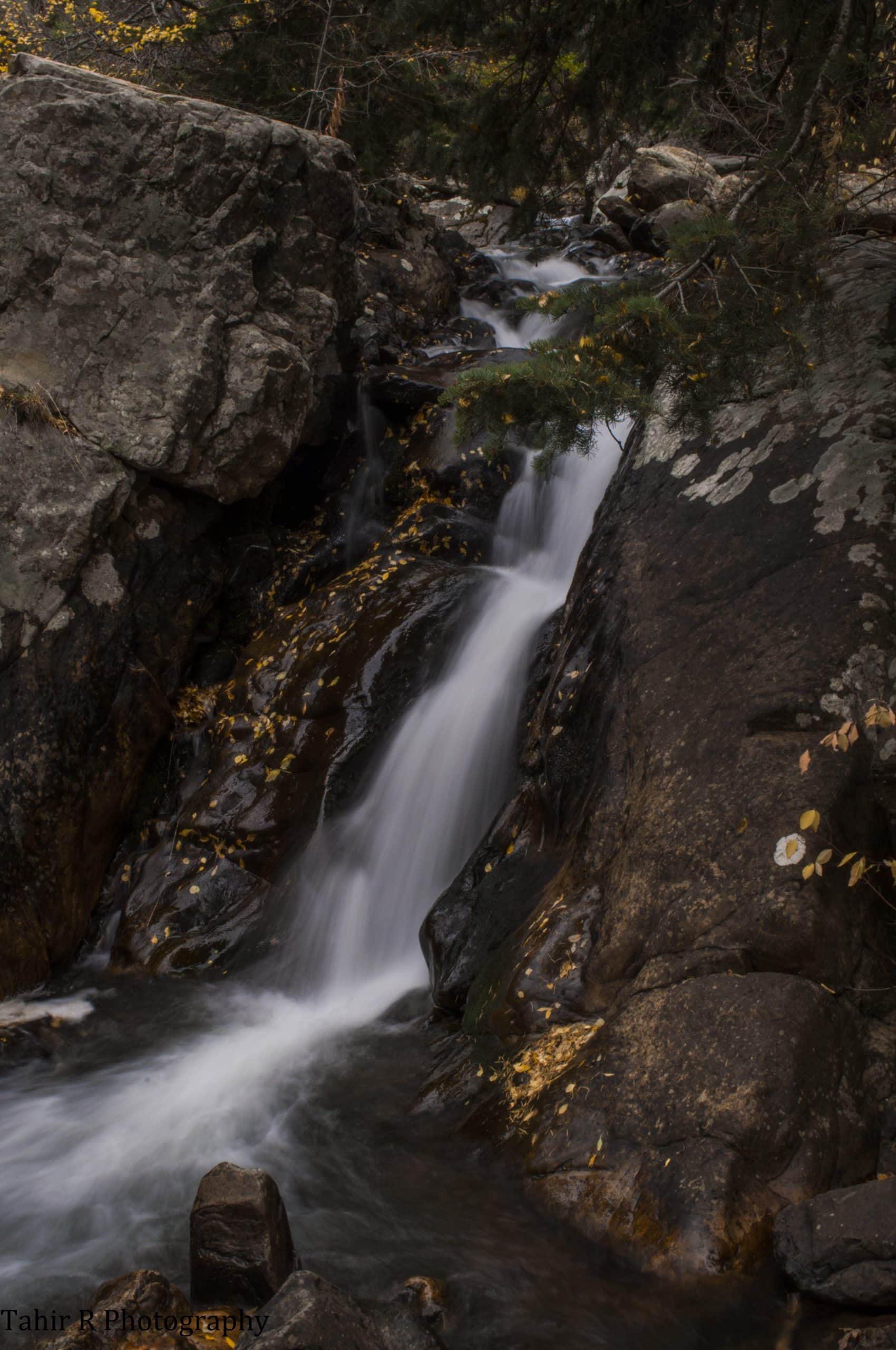
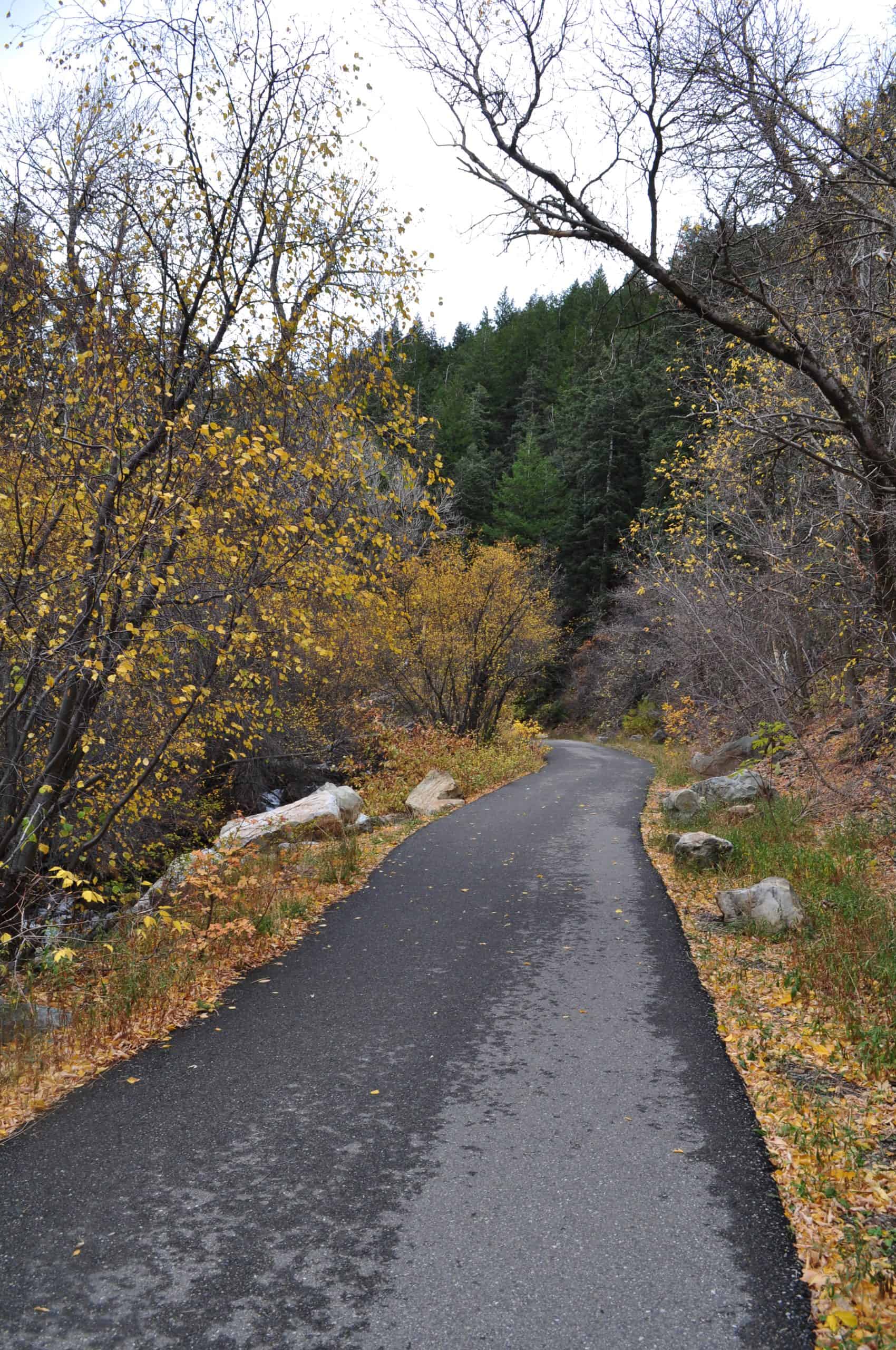
From here, the trail steeply climbs to another bridge, where you’ll find a bench and a memorial. Continue up to the first switchback, and the trail opens up to a beautiful view of the canyon above! A well-trained eye can spot the basin where Lake Blanche sits
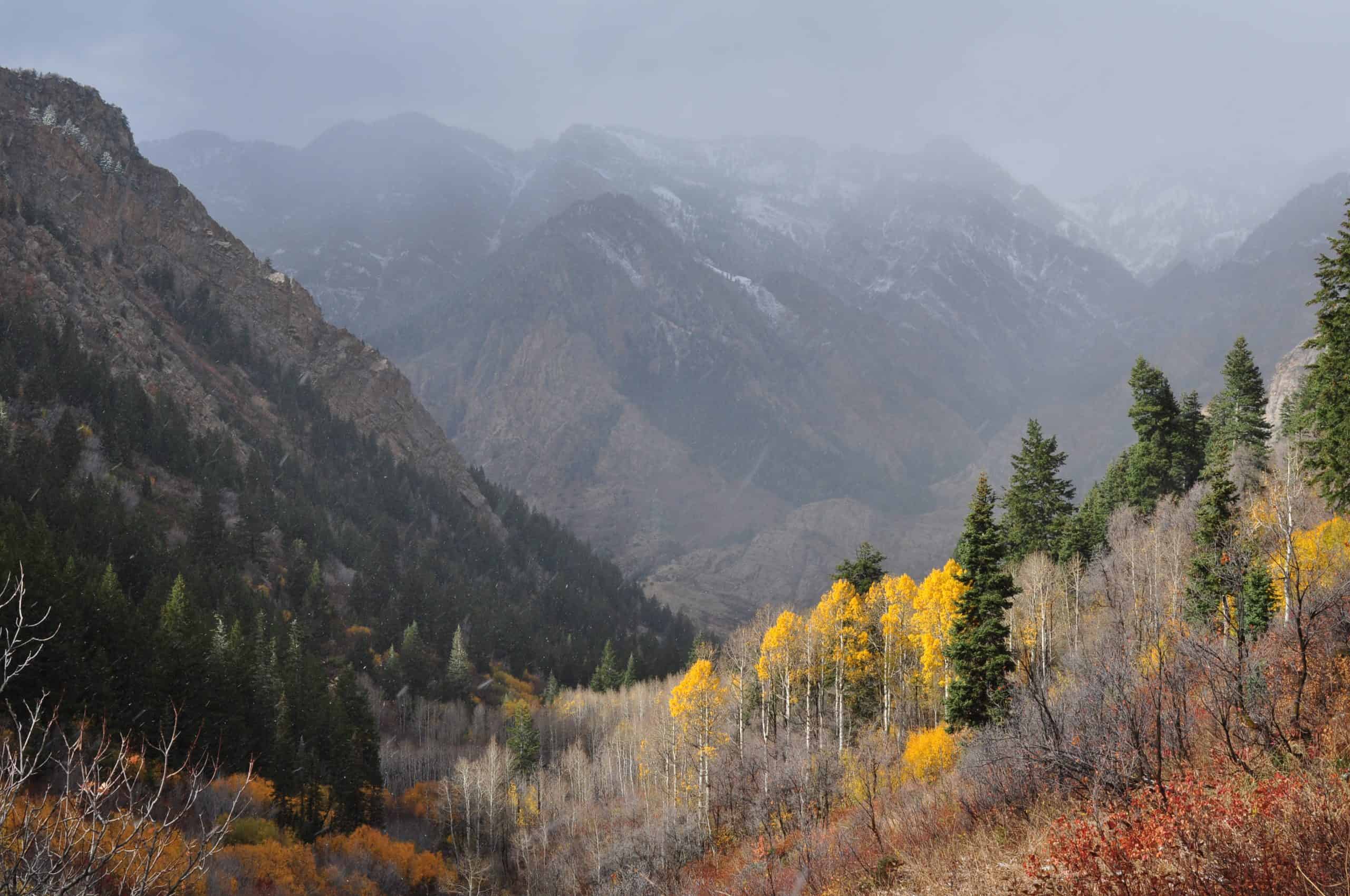
The hike continues at a more steady incline for the next mile, with stunning views of tall quartzite rock slabs, a rushing stream, pine trees, and intermittent aspen groves. About a mile (1.6 km) in, the trail begins to steepen!
The Meadow
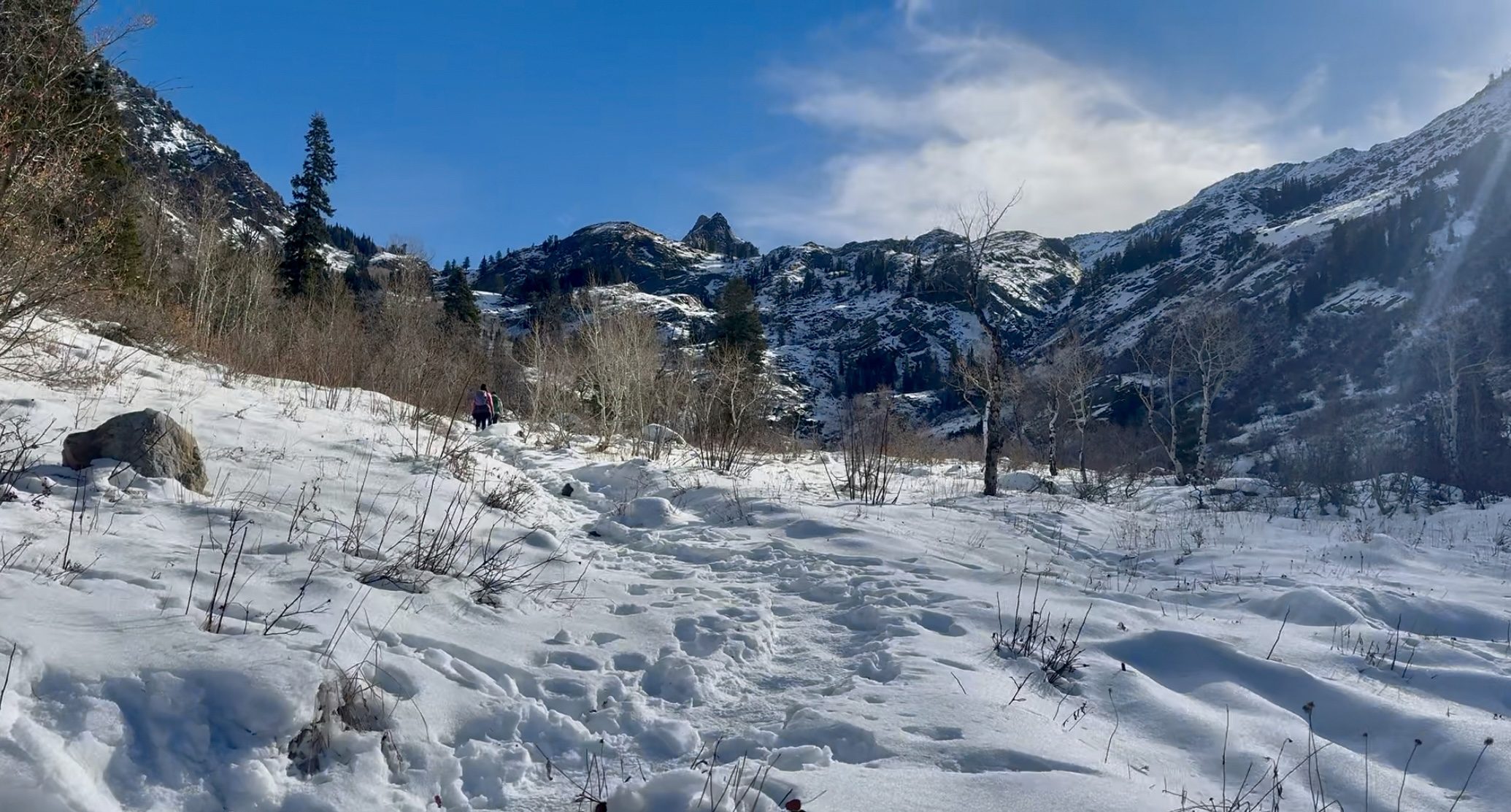
About two miles (3.2 km) in, the trail levels out into a lovely meadow for a quick breather! Look up, Sundial Peak looms in the distance. This is the perfect spot to rest before the steep climb ahead. Keep your eyes peeled: moose sightings are pretty common here!
The Last Half: Steep And Relentless
After the meadow, the trail steepens again, and you’ll find yourself back in beautiful aspen forests. After what feels like a stairmaster workout, you’ll hit the first set of switchbacks, where the views open up again. Dromedary Peak and Sunrise Peak (two Wasatch 11ers) will come into view.
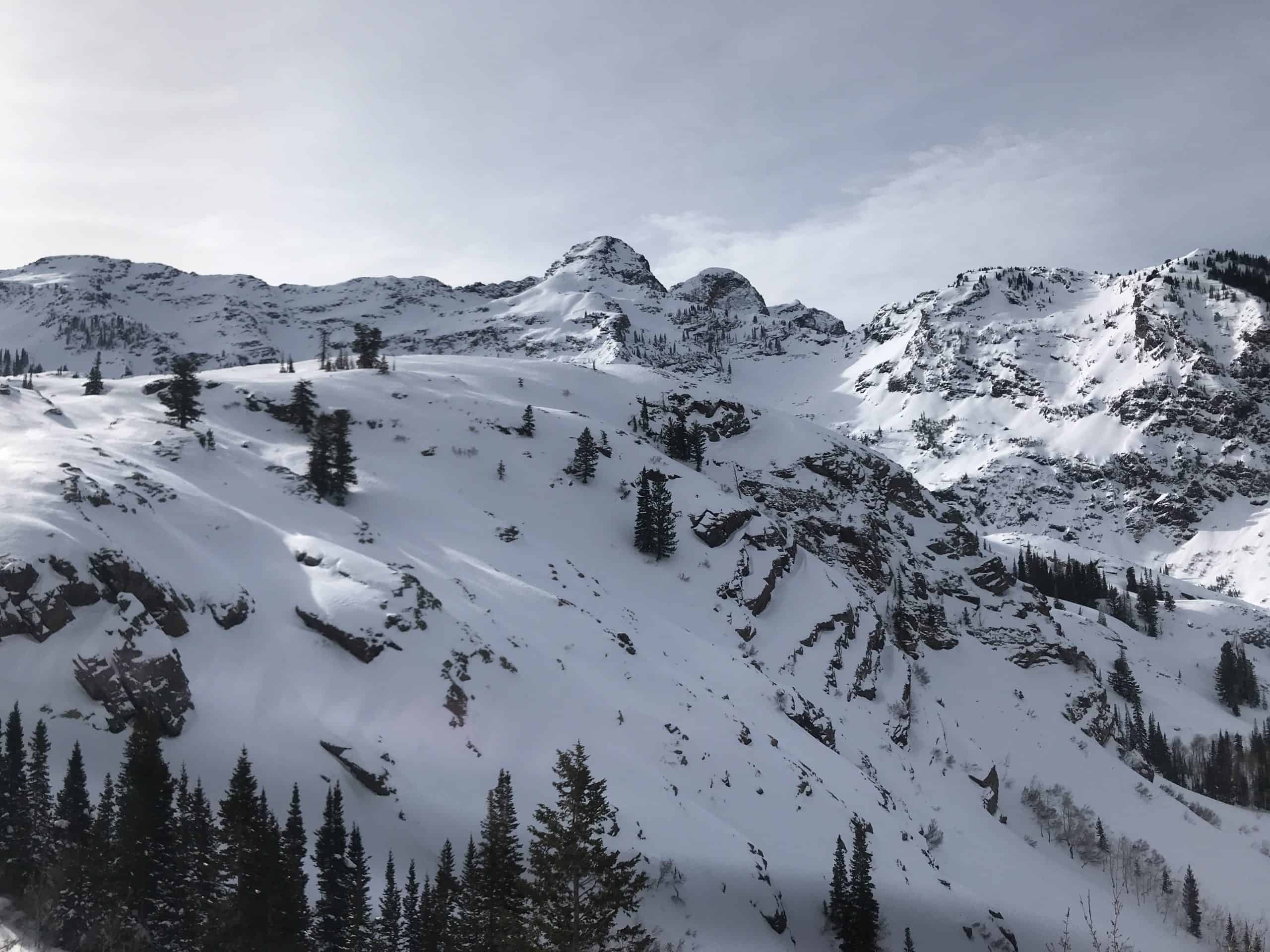
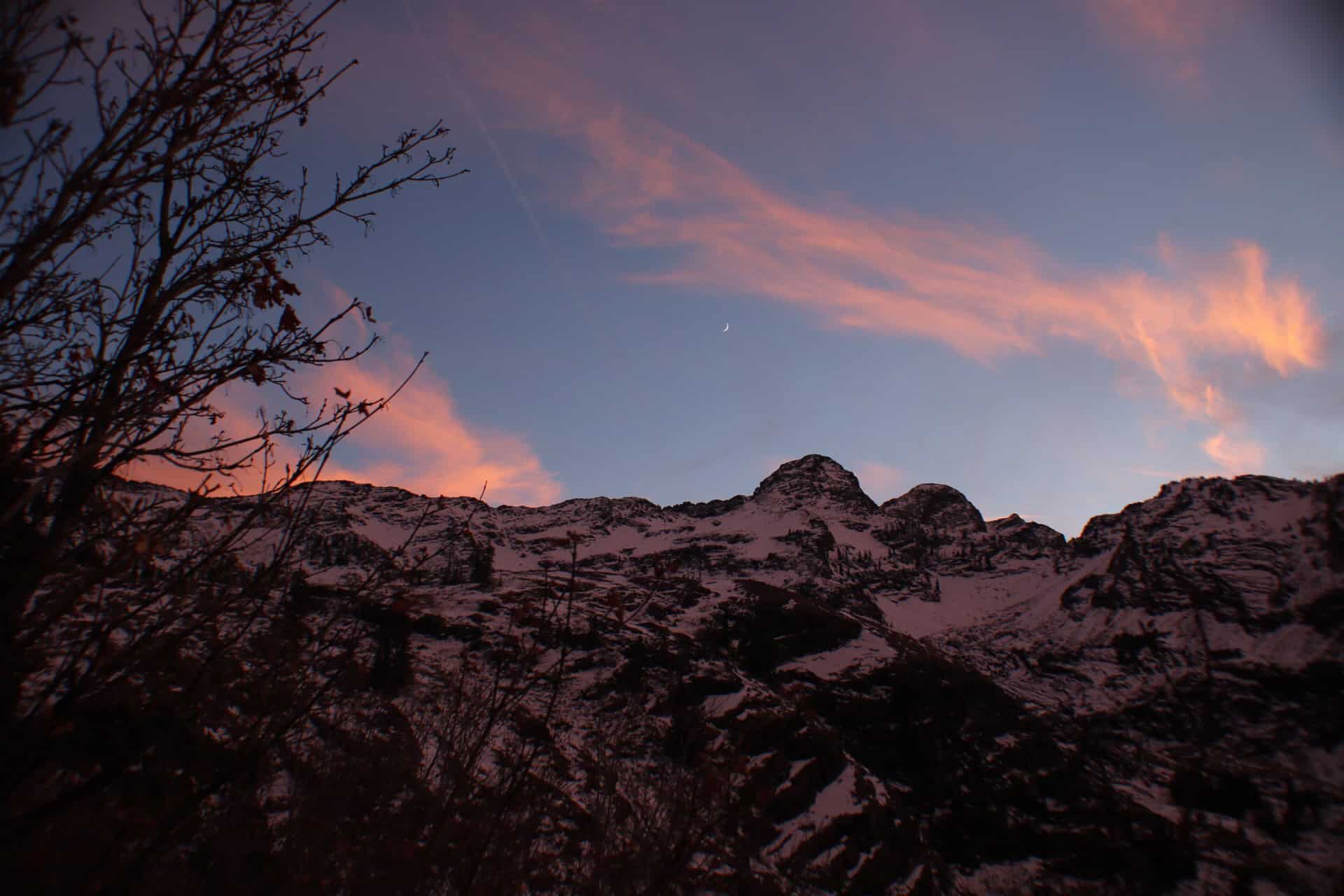
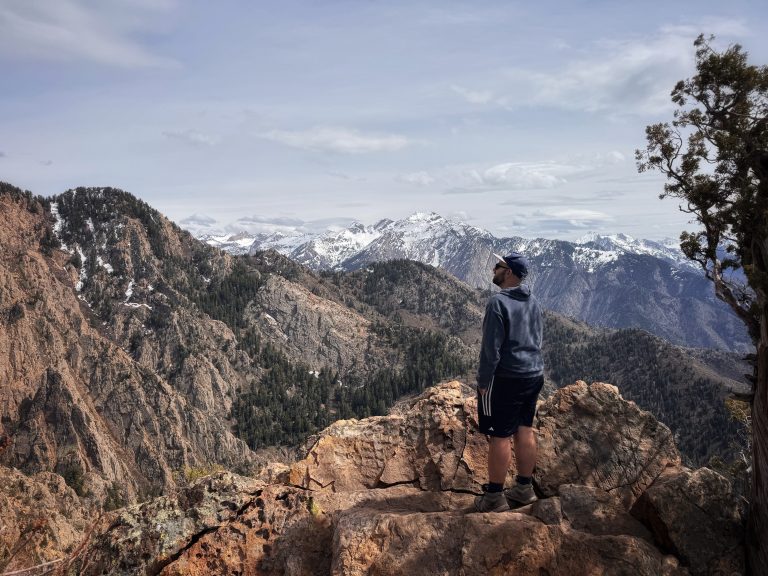
You’ll then hit a second set of switchbacks, where one switchback briefly goes off-trail over some boulders. Be sure to turn right at the boulders, or you’ll lose the trail! Next comes a rocky outcrop with sweeping views of the canyon below. I always stop here before the final push!
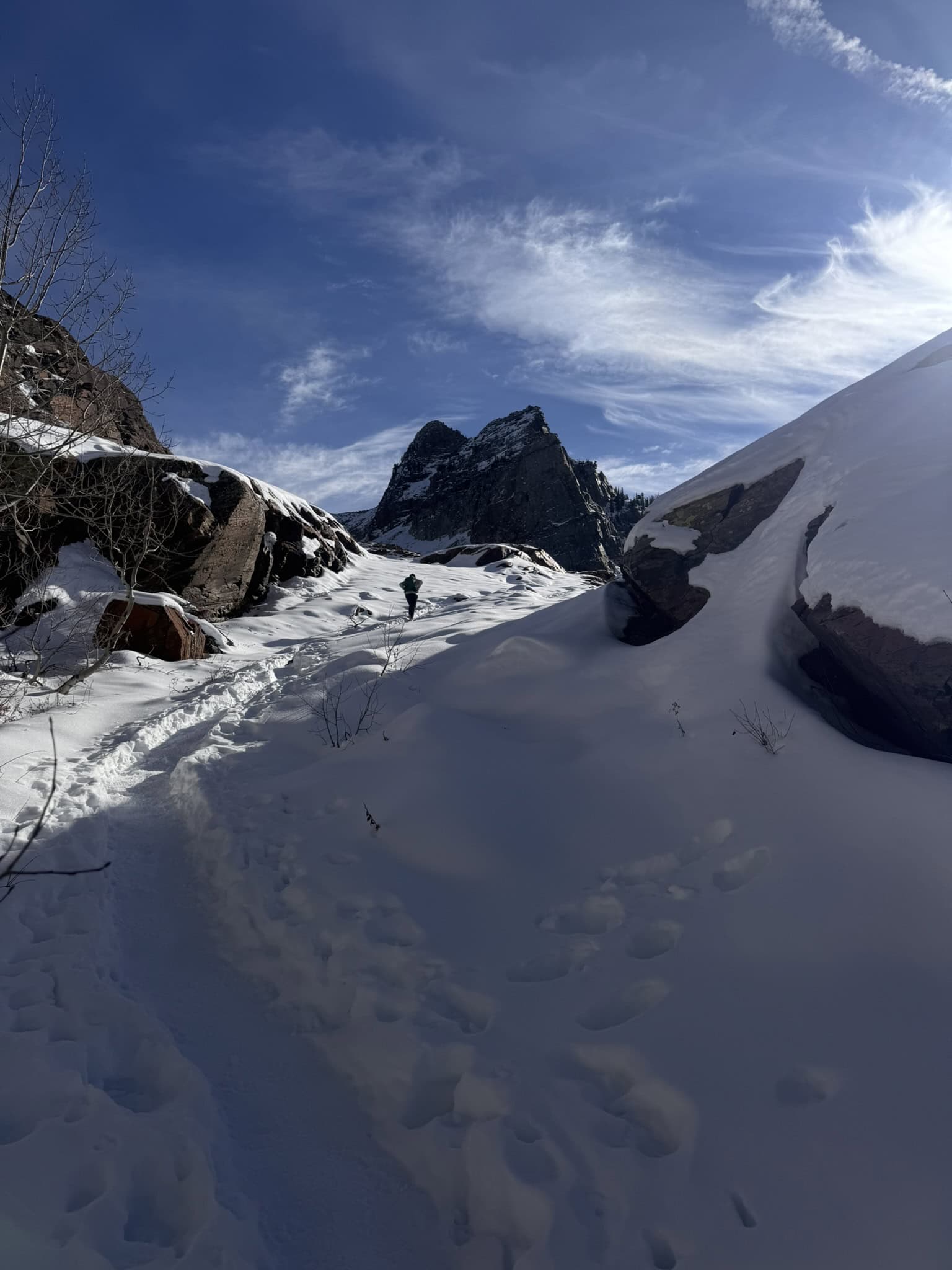
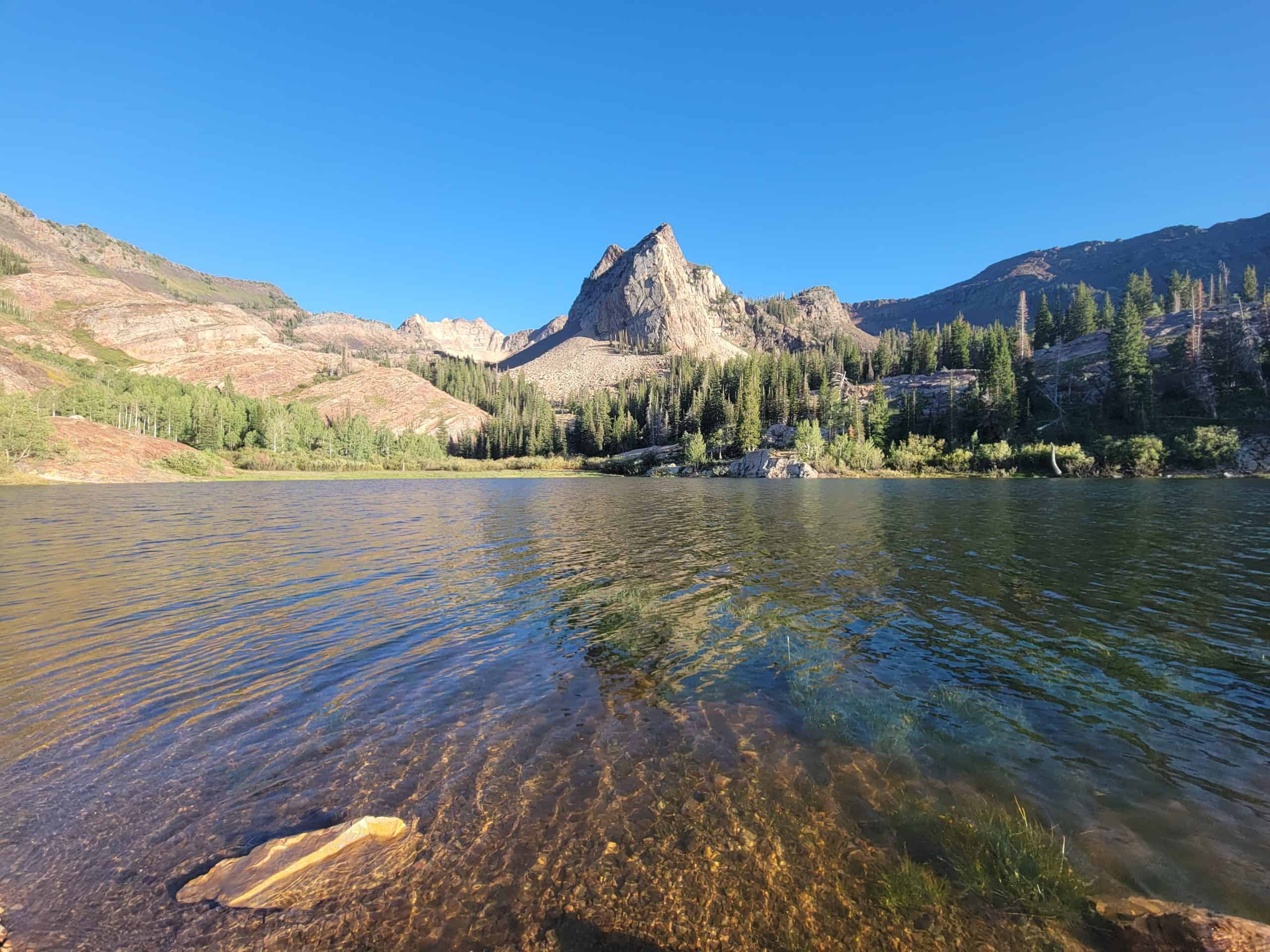
From here, one final steep push brings you to an old dam, from where you’ll climb onto the large polished quartzite slabs to a picture-perfect view. And there it is at last, Lake Blanche!
Lake Blanche And Beyond
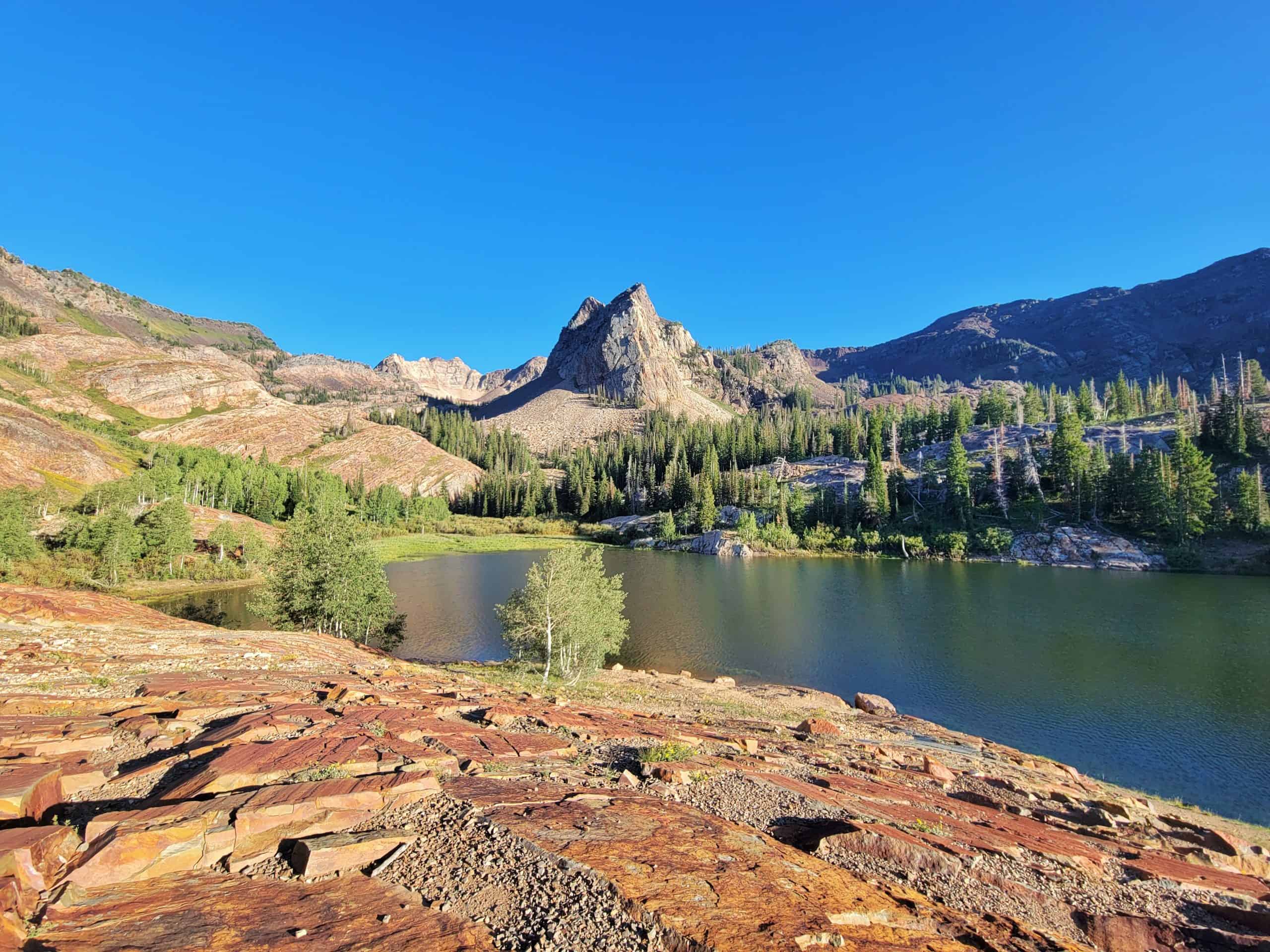
Every time I hike to Lake Blanche, the first thing I notice is the water level. Having made the trip over a dozen times in every season, it’s always different: usually at its highest in late June from snowmelt runoff.
Lake Blanche is straight out of a postcard, its calm waters framed by polished quartzite rocks that make perfect seats for a snack break. We all know the struggle of finding a place to sit after a long uphill hike, but this is not a problem at Lake Blanche!
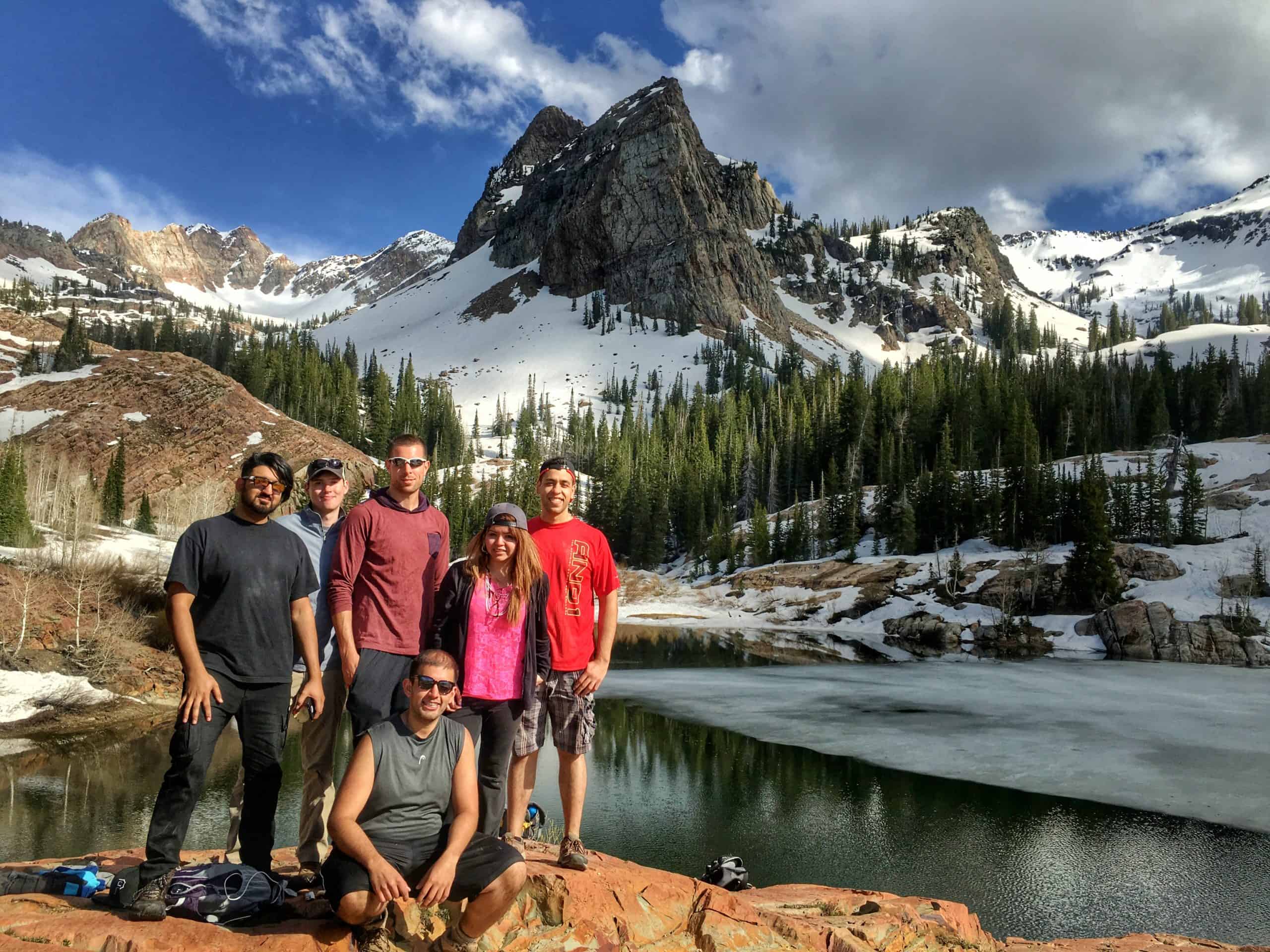
Lake Florence and Lake Lillian
However, don’t expect solitude at Lake Blanche, especially on summer weekends. It’s popular for good reason, but for those willing to venture further, that can change. Honestly, that’s yet another reason why I love this hike so much!
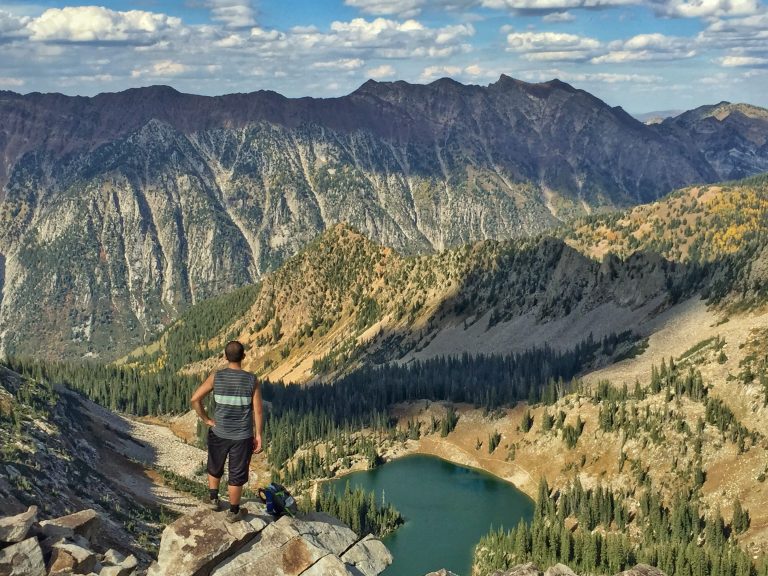
Beyond Lake Blanche, there is so much to explore! And here’s a lesser-known fact: just five minutes west, you’ll find Lake Florence and Lake Lillian. Yes, I know, not one, not two, but three stunning alpine lakes in one hike! Additionally, a hidden gem waterfall flows from Lake Blanche into Lake Florence and is worth seeing.
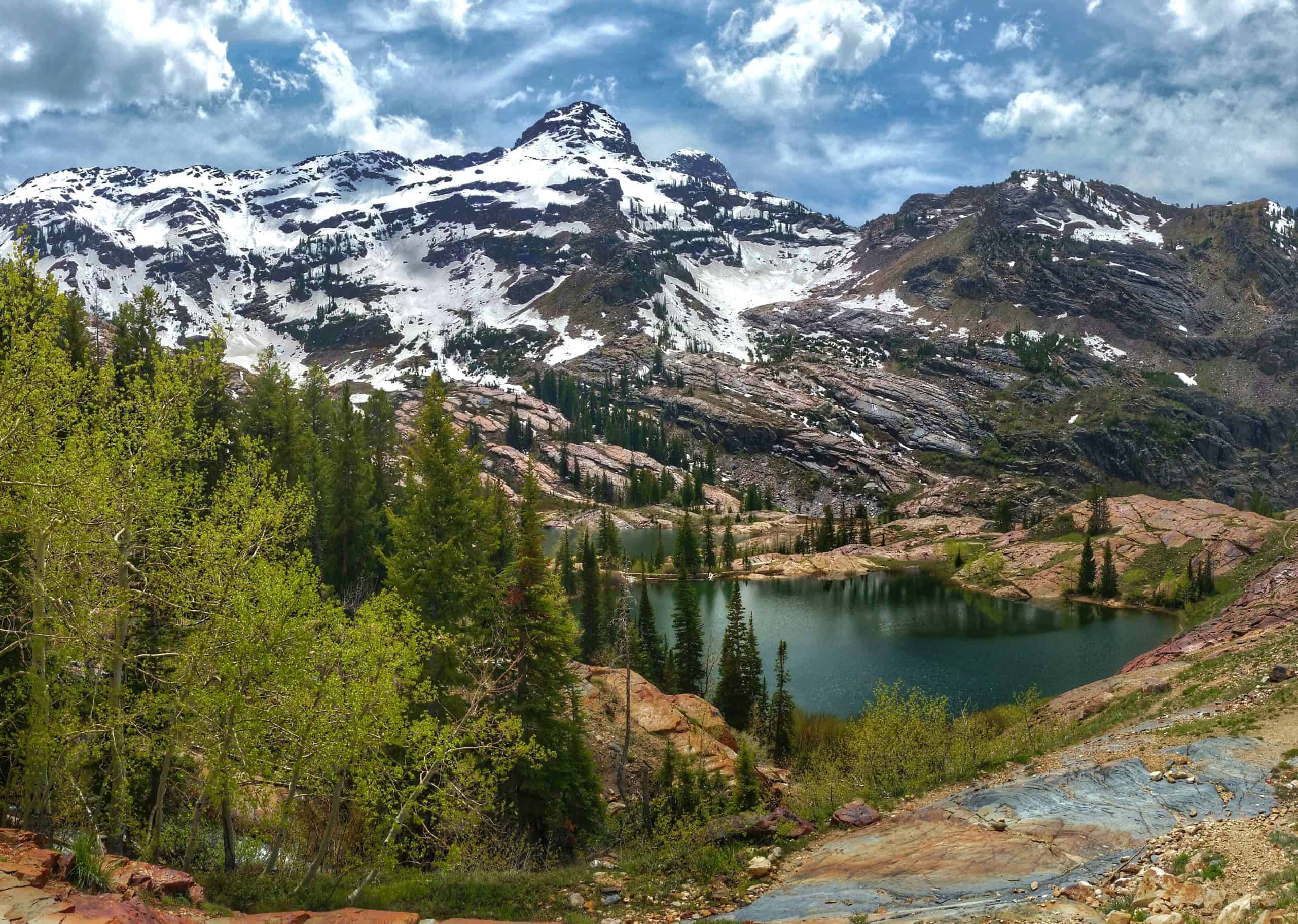
But that’s not where the adventure ends! It still shocks me that I have never ventured beyond Lake Florence, but I know people who have made a loop around all three lakes! I’ve got a goal to finally do it this year, in 2026, and I plan to bring my camping stove to brew coffee for that extra boost to explore further!
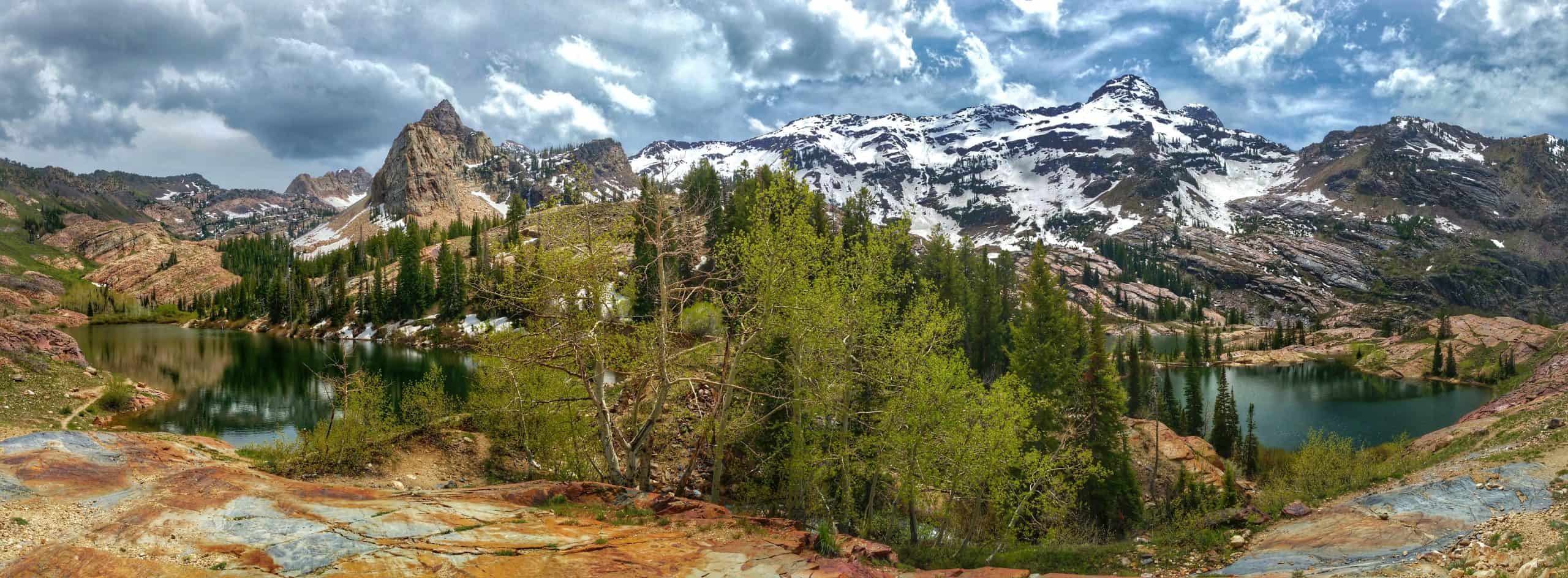
I’ve also walked the east side of Lake Blanche toward another hidden gem waterfall tucked below Sundial Peak, though that wasn’t our stopping point. This is why Lake Blanche keeps calling me back: it’s beautiful in every season and layered with options to explore further.
Sundial Peak
Speaking of Sundial Peak, if you’re a peak-bagger or a rock climber, you likely know the name. While not a climber myself, I have summited the peak via the “non-technical” route, and let me tell you, it was anything but easy!
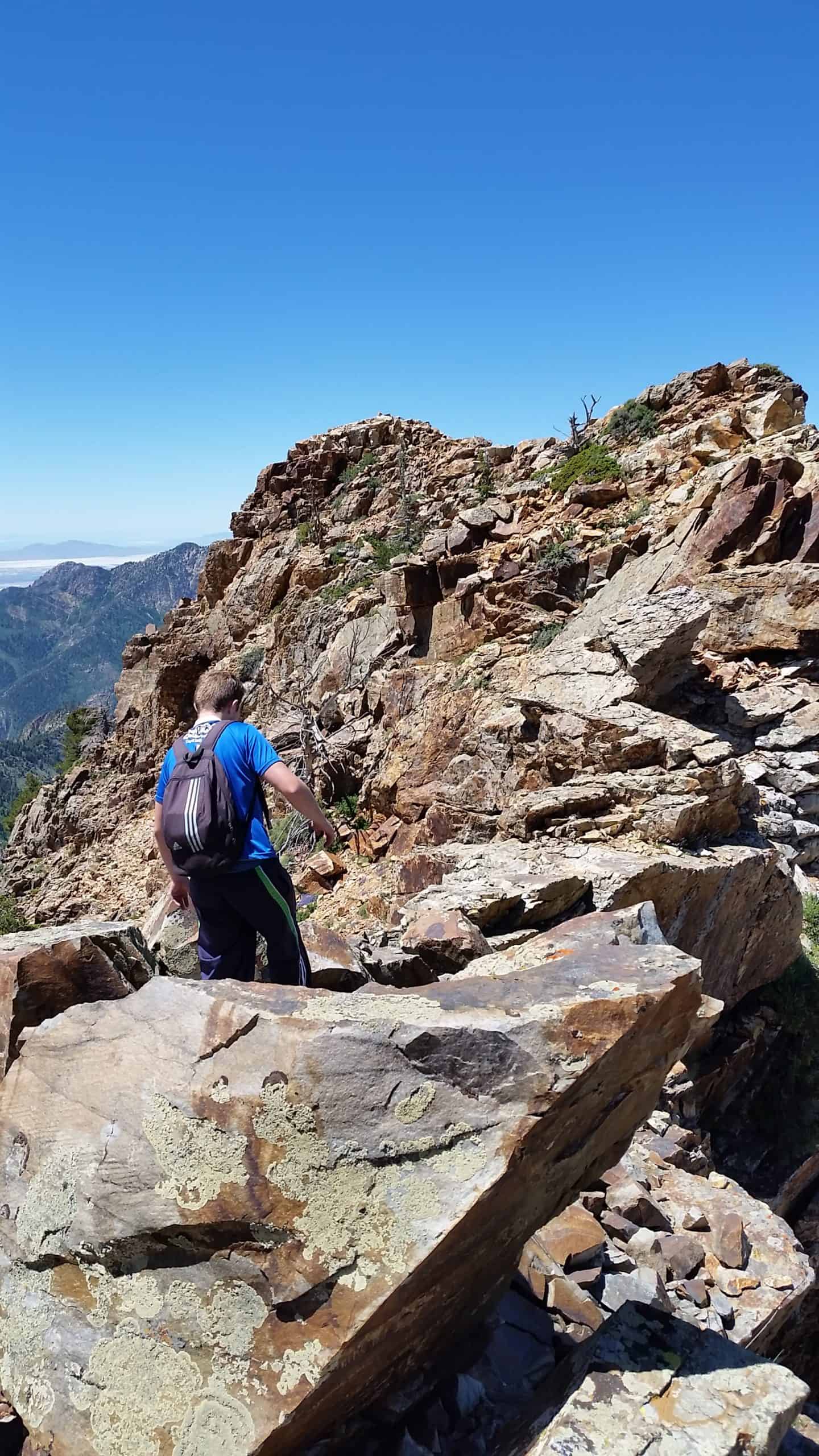
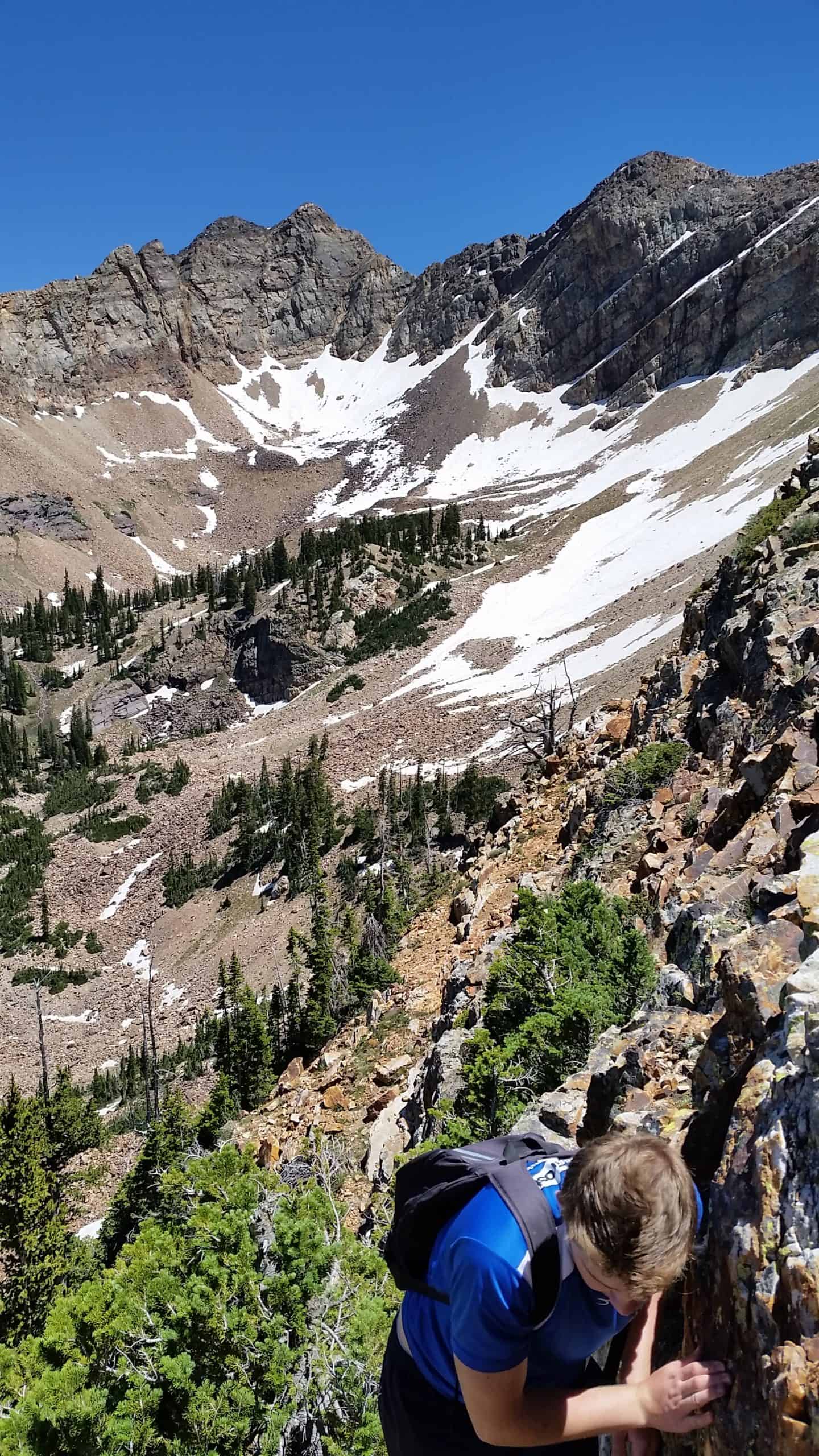
The summit views are beyond what I can describe in words! Admittedly, I don’t have a strong desire to go back, but I am glad I was able to experience it! The Wasatch Peak Baggers classify it as a class 3 ridge scramble, but for me, it felt more like a Class 4–5 route: exposed, nerve-wracking, and deeply humbling. Every step pushed my limits.
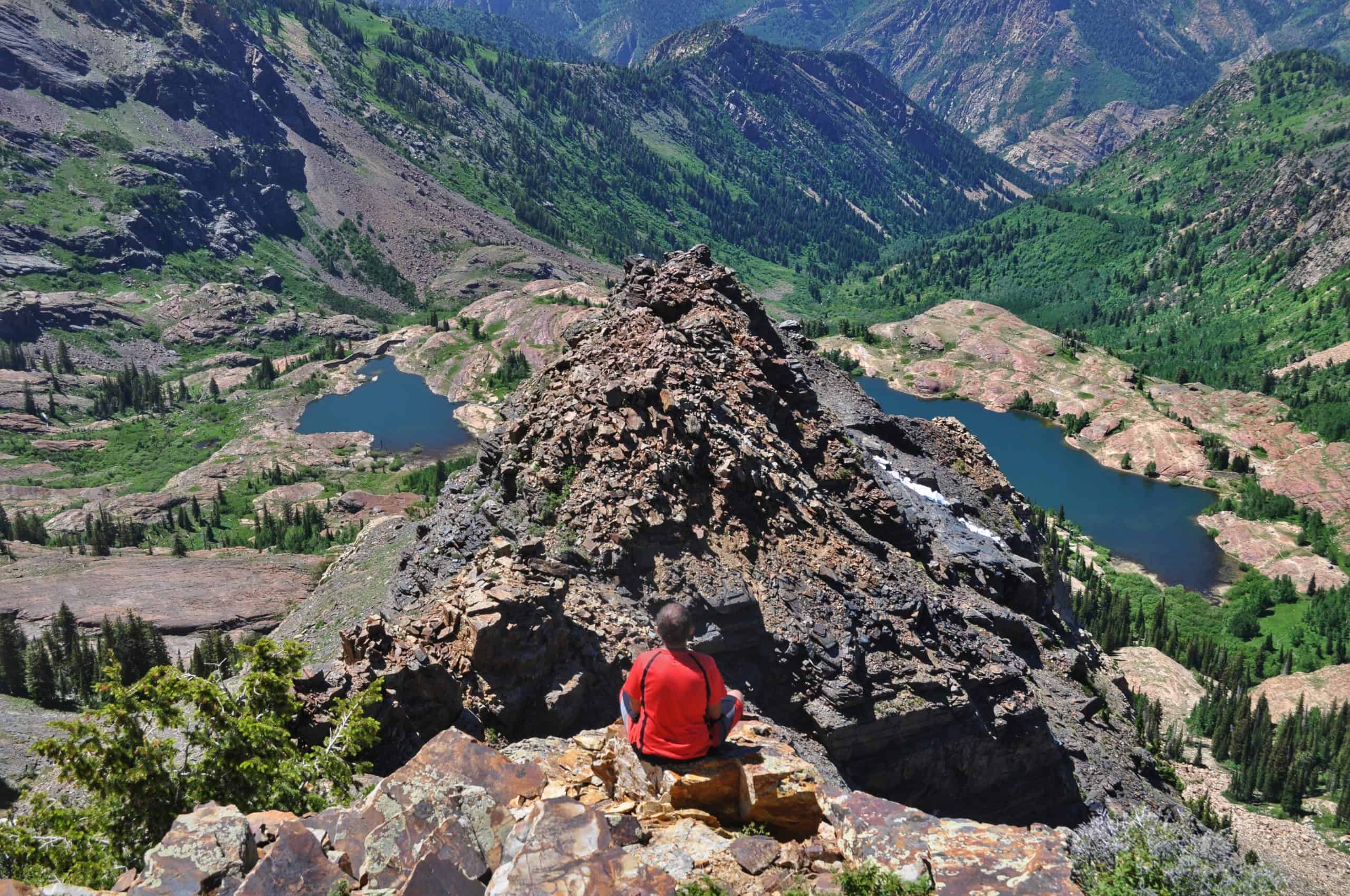
I suppose the question to ask is: are those views worth the effort?
Tips for Hiking Lake Blanche
Hiking to Lake Blanche should be a fun, exciting, and safe journey! Here are some tips to consider to have the best and safest hike possible!
Before You Go:
1) Download offline maps (AllTrails, Gaia GPS)
2) Check weather and trail conditions
3) Start early: parking fills up by 7 AM on weekends
What to Pack:
✅ 2–3 liters of water per person
✅ High-energy snacks (trail mix, bars, fruit) and food
✅ Sun protection (hat, sunscreen, sunglasses)
✅ Layers (temperatures vary 15°F from bottom to top)
✅ Hiking boots with good traction
✅ Trekking poles (highly recommended for steep sections)
✅ Camera for those epic views
✅ First aid kit
✅ Headlamp (just in case you’re late)
Trail Etiquette:
🚫 No dogs or swimming (it’s a protected watershed)
🏕️ Camp 200+ feet from water (if backpacking)
🗑️ Leave No Trace: pack out all trash
🚶 Yield to uphill hikers
Best Time to Hike Lake Blanche
Lake Blanche is an amazing hike year-round! While conditions vary from year to year depending on snowpack, each season offers something new. While early summer is the obvious choice for most, I’ve found each season offers its own magic. Here’s what to expect:
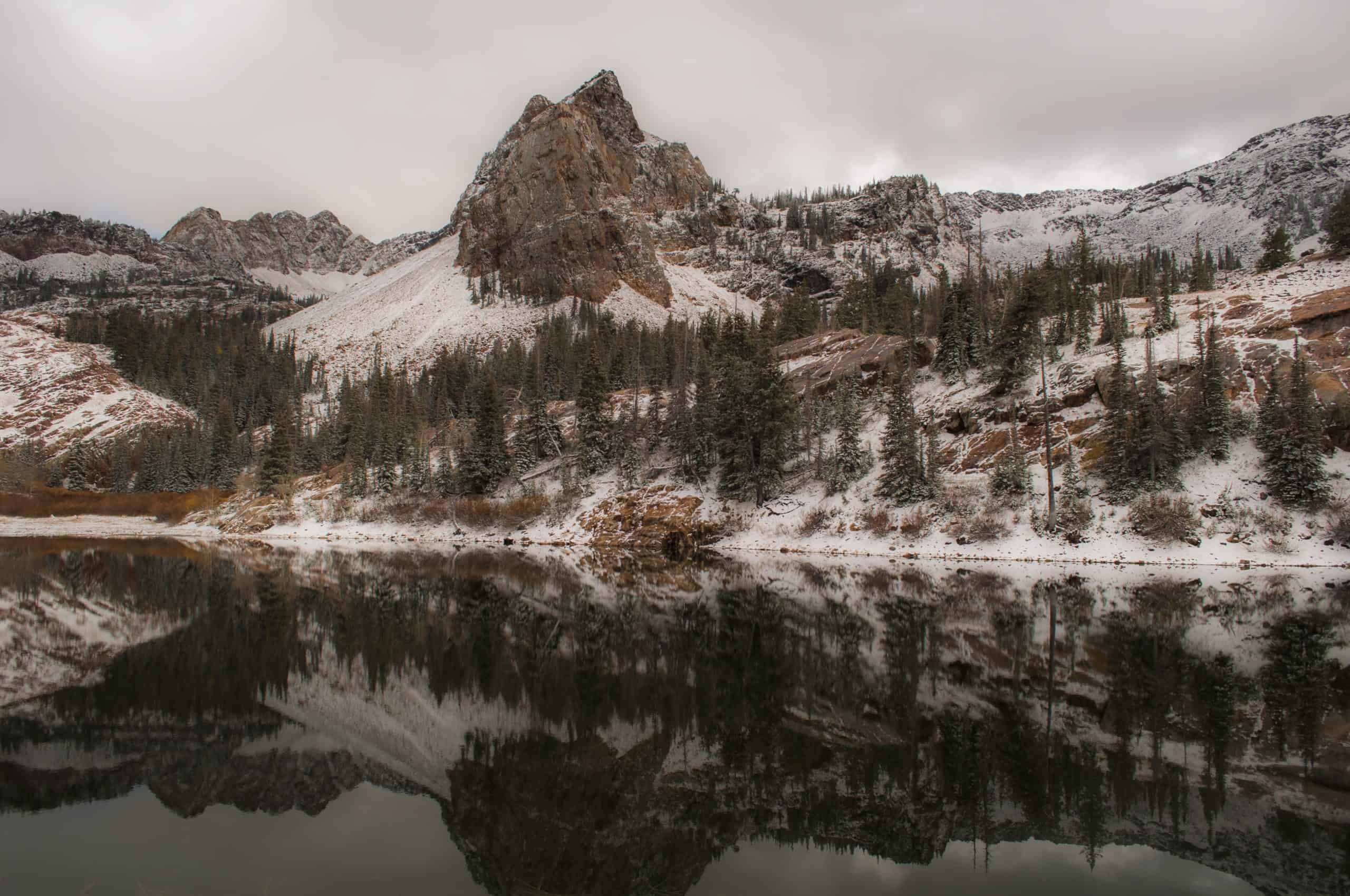
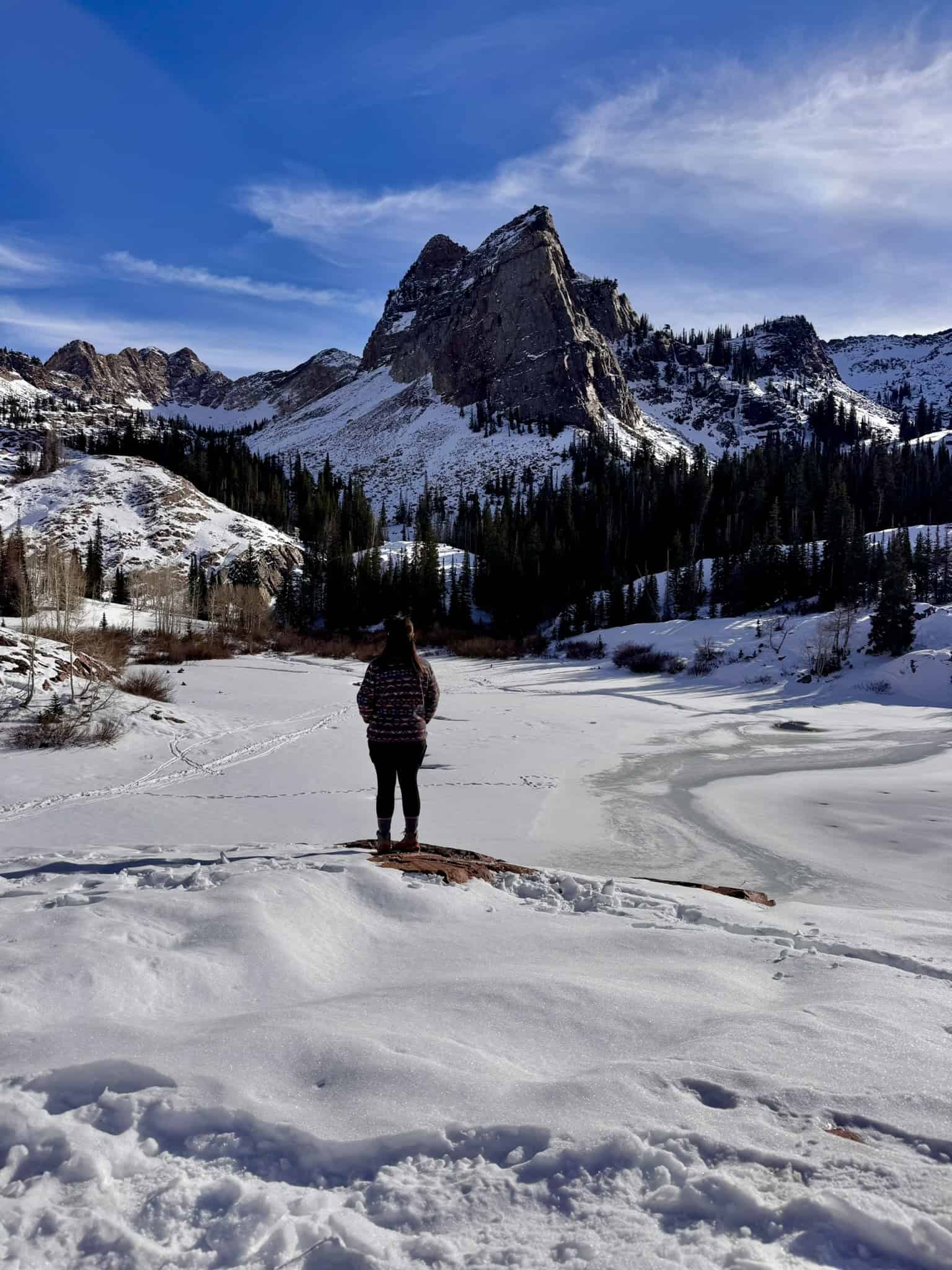
Winter (November to March)
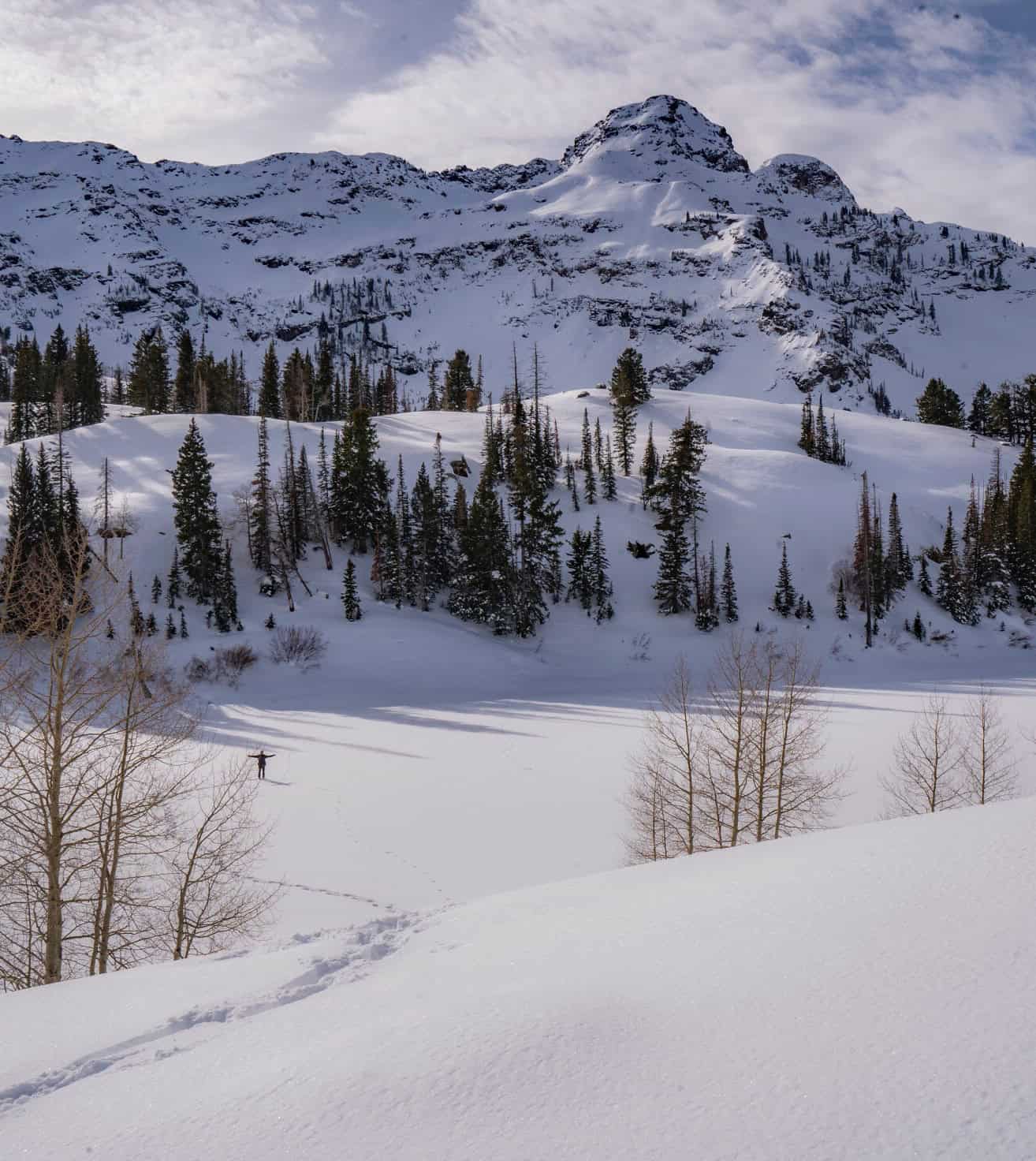
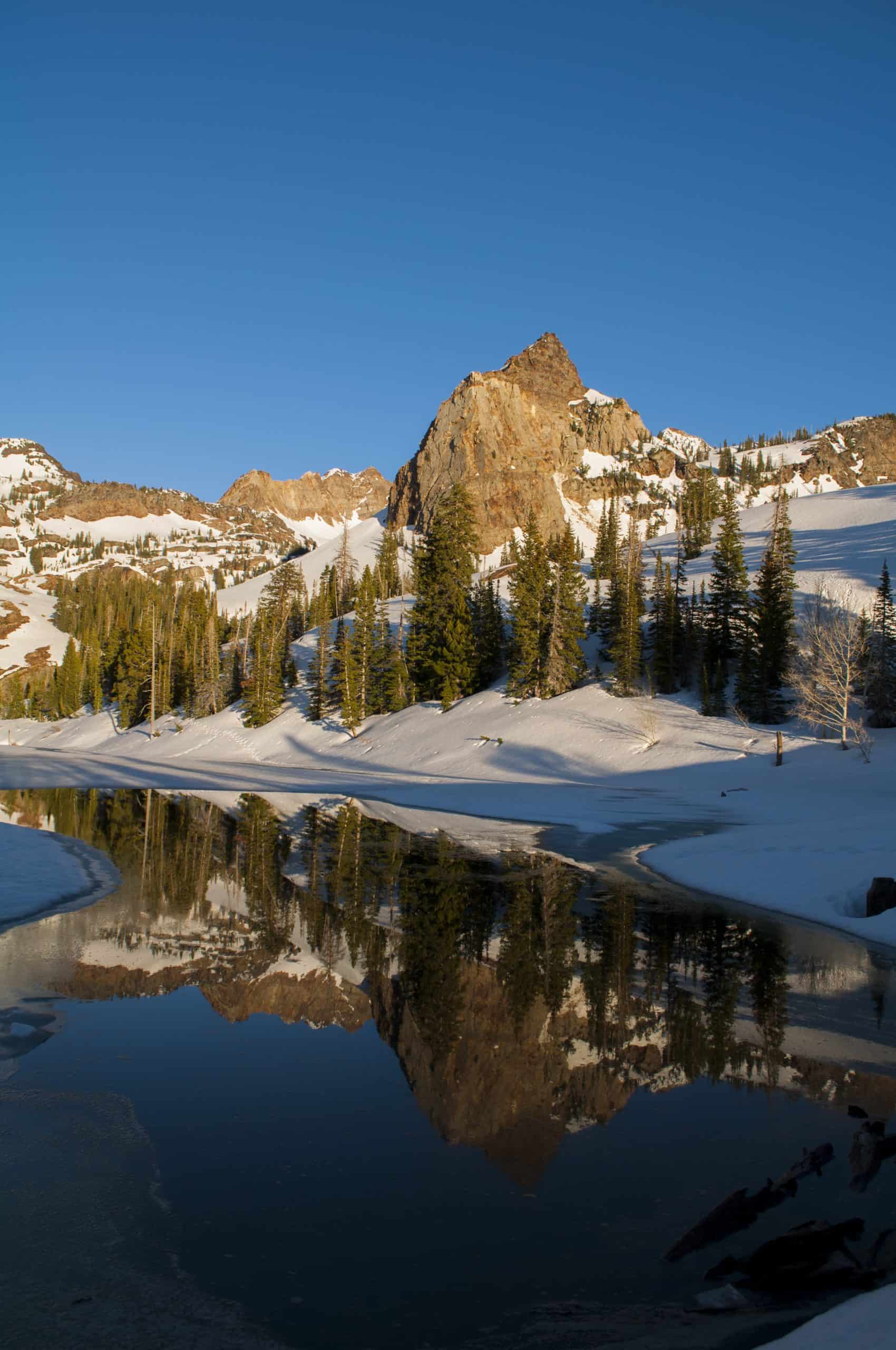
Winter brings solitude and raw beauty, and no, it doesn’t have to be miserable. In fact, it can be quite breathtaking, though conditions vary a lot depending on the snowpack. Hiking at the end of December looks very different than late February.
To prepare, check recent trail reports on AllTrails. Bring snowshoes after a fresh snowfall, or microspikes when the snow packs down. I learned this the hard way: in 2015, I brought snowshoes when I didn’t need them; in 2019, I left them at home and ended up post-holing the last mile. Neither experience was fun, but now I understand the difference!.
There’s an avalanche path in the last mile on the final switchbacks, so checking avalanche conditions is essential. Dress in layers, carry plenty of water (you’ll need it), and don’t forget sunscreen! The snow reflects UV rays fiercely!
Spring (April to June)
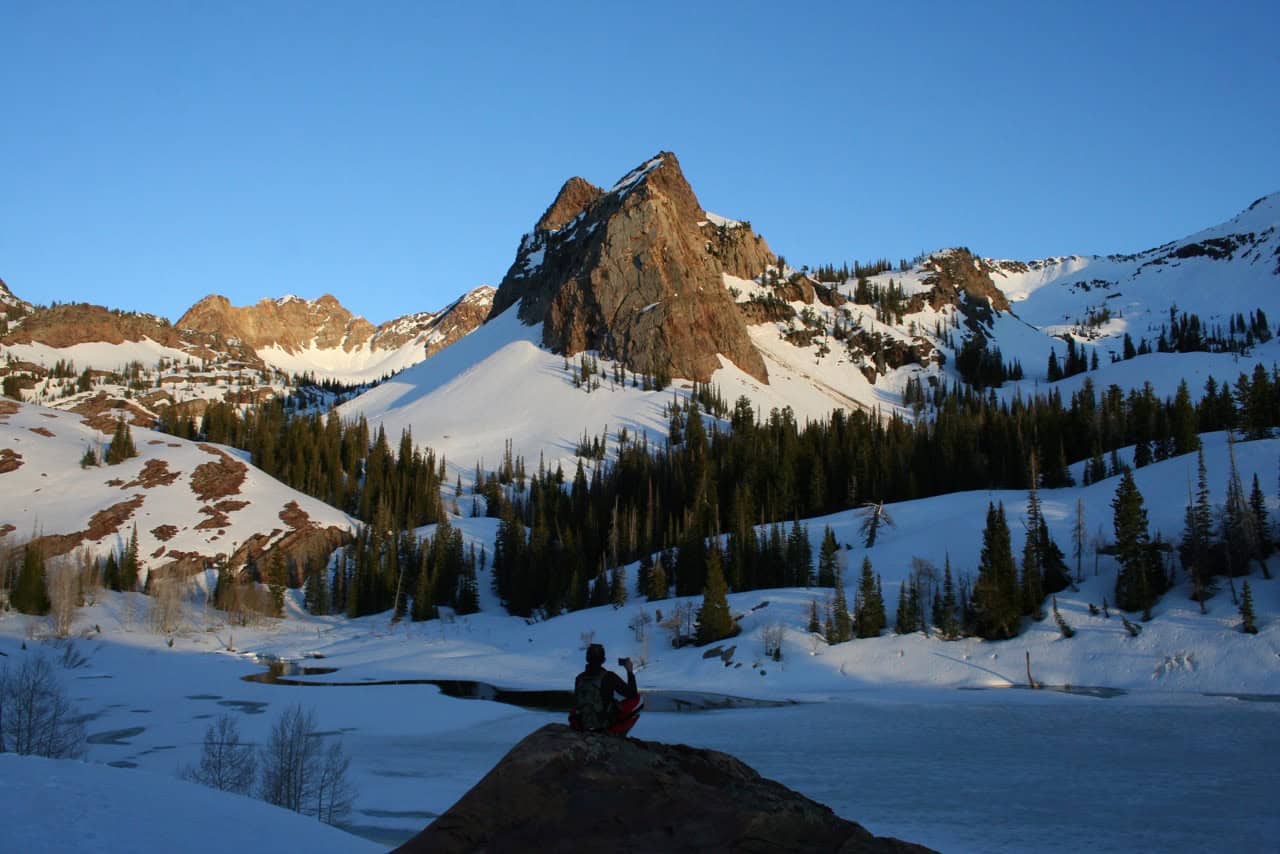
A short but spectacular season, typically starting in April as daytime temps melt the snow while the nights refreeze it, creating slushy trails. By mid-May, the lake often begins to thaw, revealing a stunning sight. In 2023, our all-time record snowpack kept parts of the lake frozen well into June, an incredibly rare sight!
Spring is truly a season of contrasts. You might hike up in shorts on a sunny day, but need to bundle up at the lake. I’ve learned to always bring an extra layer; it’s saved me more than once!
Note: Between early May and mid-June, afternoon thunderstorms are common. I recommend starting your hike down before noon.
Summer (June to September)
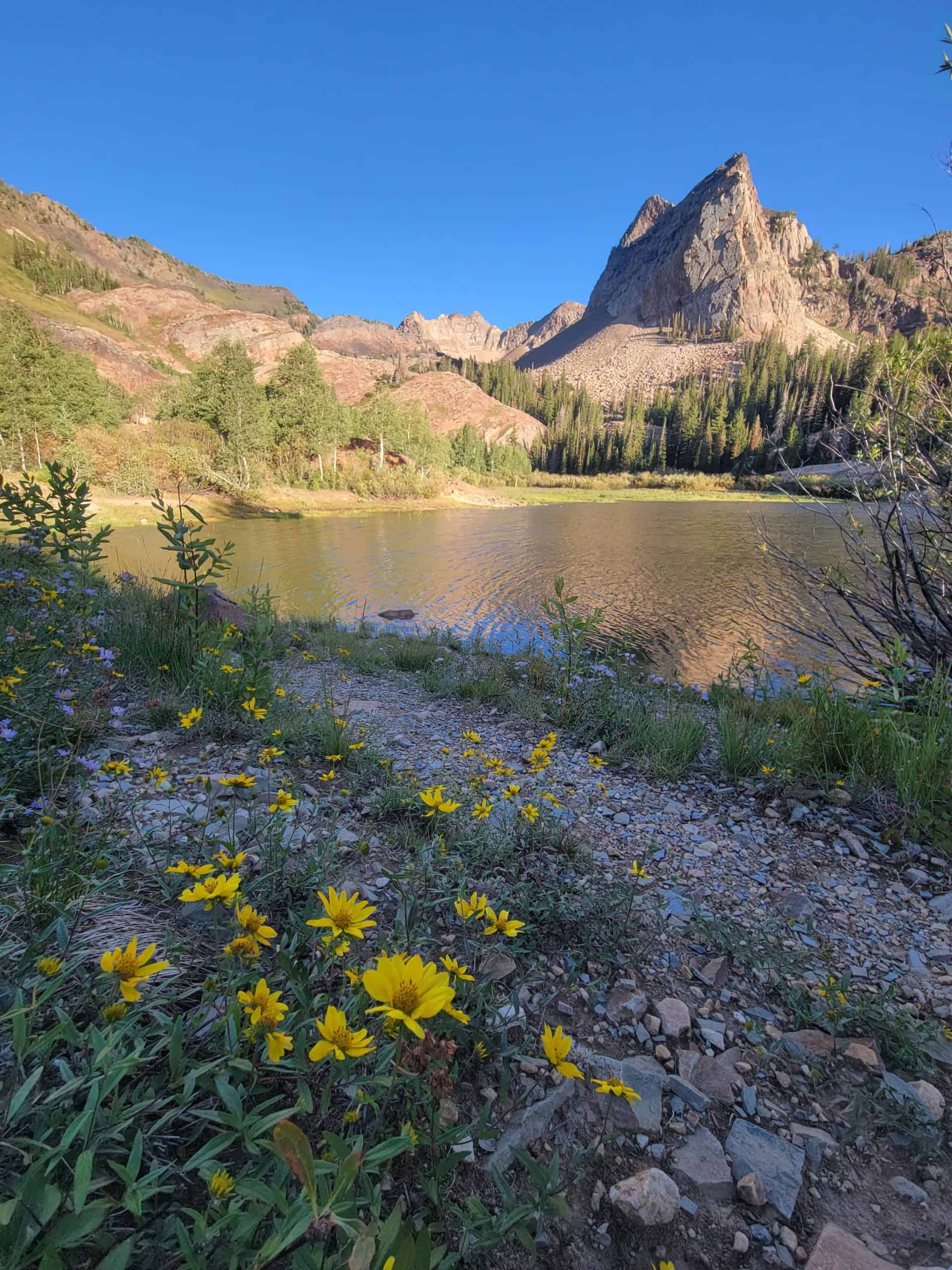
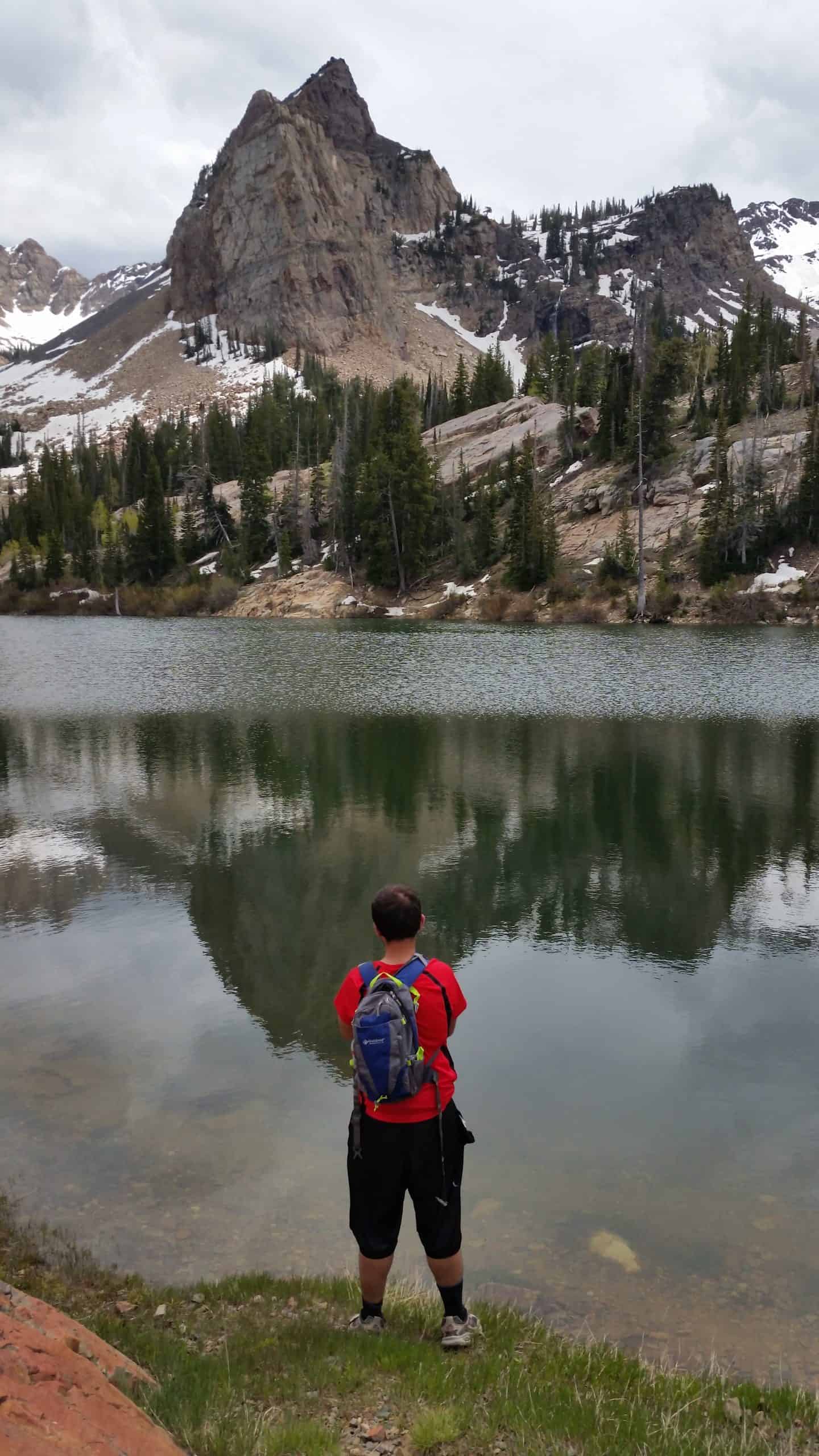
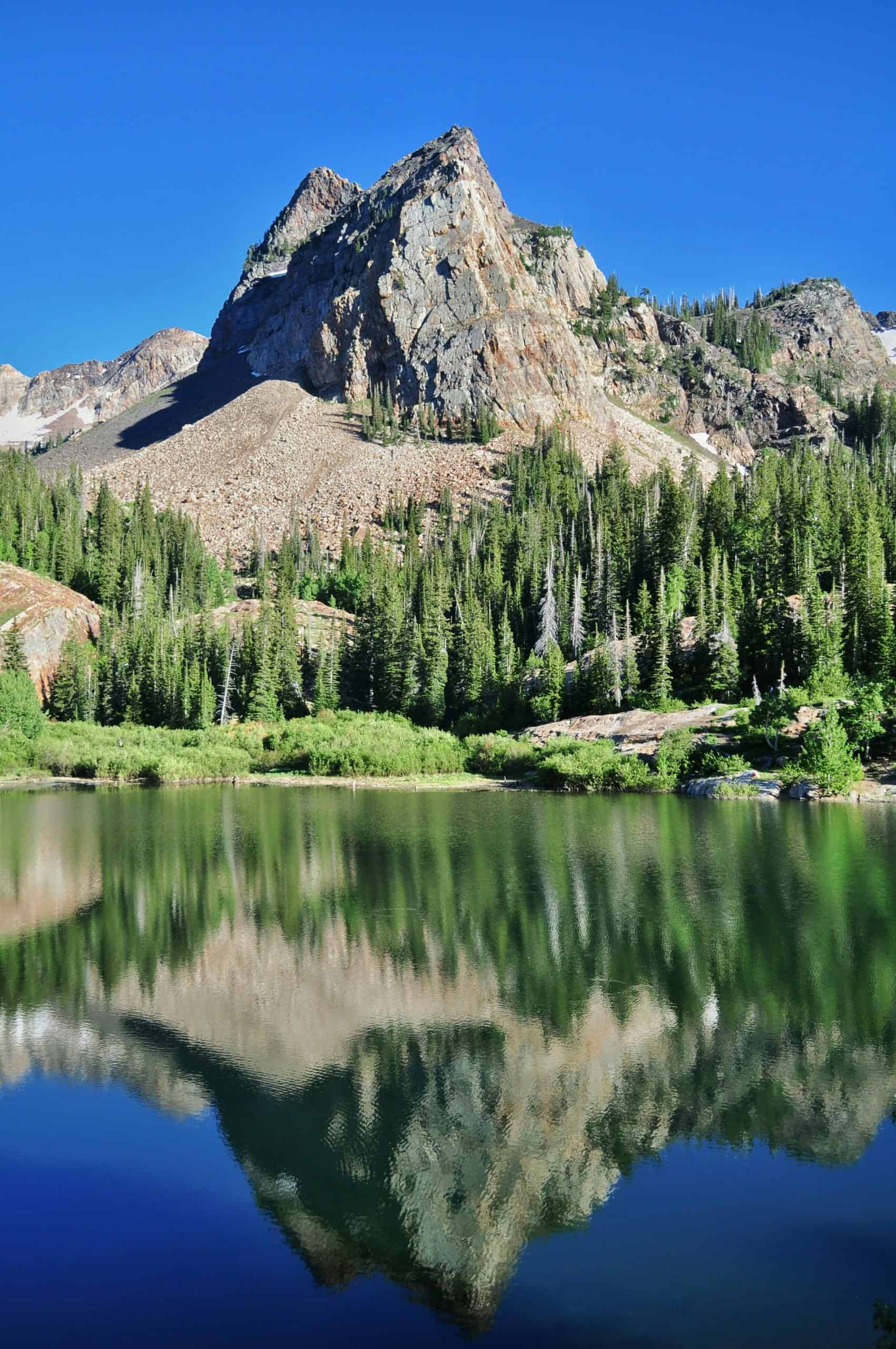
There’s no debate that summer is the best time to hike Lake Blanche, but it comes with trade-offs: crowds, limited parking, and hot temperatures. While some enjoy hiking in 70–90°F (21-32°C), it’s a bit too hot for my taste — an early start can help you escape both!
- June can bring a mix of conditions: lingering snow on trails, pleasant days, and afternoon thunderstorms.
- July is typically the hottest and driest month, with wildflowers blooming later in the month.
- August is similar, but evening storms are more common, with late wildflower blooms possible.
Fall (September to October)
Fall colors depend on several factors: temperature, rainfall, previous year’s snowpack, and early snowstorms. Typically, early October is the peak for fall colors in the Wasatch Mountains. With several aspen groves along the trail, Lake Blanche is a fantastic hike for leaf peepers!
Autumn weather is unpredictable; it can be sunny and 70F one day in the mountains and snowy the next, so it’s essential to check the forecast and dress accordingly! Personally, fall and spring are my favorite seasons to hike Lake Blanche, and each offers its own magic.
Camping at Lake Blanche
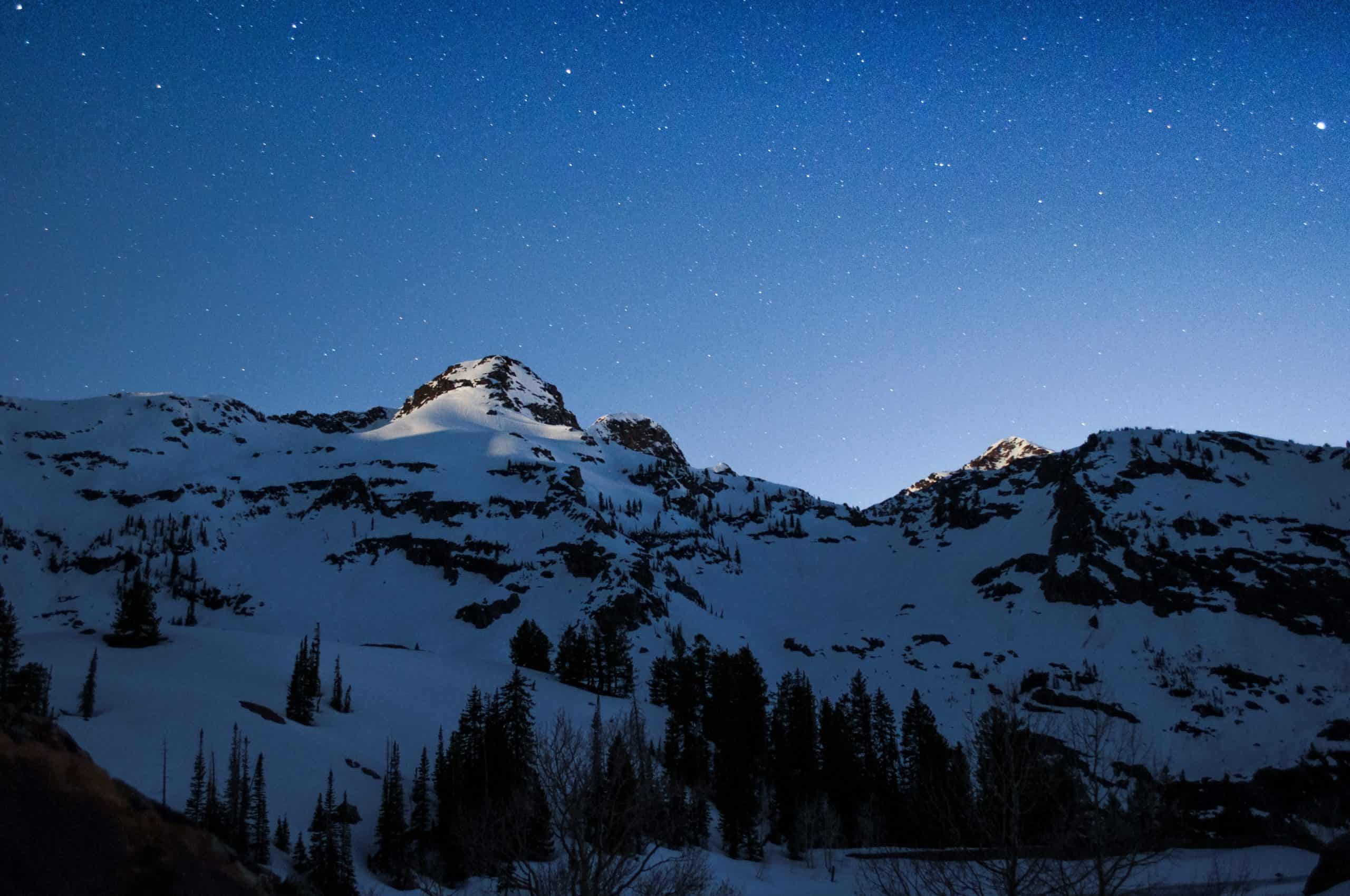
Yes, you can backpack here (no permit required), and it’s a fantastic way to escape the crowds and experience the lake at sunrise. Over the years, backpackers have established makeshift campsites near the lake.
Be sure to follow Leave No Trace principles: camp 200 feet from water, pack out all your trash, and be mindful of fire restrictions. Dress in layers (temperatures can drop close to freezing at night, even in summer), and store food properly (bear canisters recommended).
Spending a night at Lake Blanche is unforgettable, so be prepared, take your time, enjoy the solitude, and soak it all in!
FAQs
Check out the most commonly asked questions about hiking the Lake Blanche trail before you head out.
Why can’t you swim in Lake Blanche?
Lake Blanche is part of Salt Lake City’s protected watershed, meaning it supplies drinking water to residents. Swimming could contaminate the water supply with bacteria and pathogens.
Can you backpack to Lake Blanche?
Yes, and it’s well worth the effort of carrying the extra gear! And no permit needed!
Is Lake Blanche a hard hike?
Yes, Lake Blanche is rated as moderate or hard. The trail is steep, with rocky terrain and exposure to the elements, but very doable with the right preparation!
Where to Stay Nearby
Consider staying at a lodge inside Big Cottonwood Canyon for a more immersive experience! I used to oppose this idea, but in 2024, I tried it out, and let’s just say I am looking forward to my next opportunity!
📍Camping Option: There are three campgrounds in Big Cottonwood Canyon: Jordan Pines offers only group sites, whereas Spruces and Redman have both. All three can be reserved through recreation.gov during the summer months.
📍Budget Option: The Hampton Inn in Cottonwood Heights is a reliable, no-frills hotel just a few minutes outside of Big Cottonwood Canyon, perfect for comfort and convenience. With modern rooms, free breakfast, and easy outdoor access, it’s ideal for travelers who want a clean and affordable experience at around $100–$150 per night, depending on dates.
📍Mid-Range Option: The Brighton Log Cabin is super cute and offers a cozy, rustic retreat in Big Cottonwood Canyon with wood-beamed ceilings, a fireplace, and easy access to hiking and the resorts. Rates start around $150–$250 per night, depending on the season, and can easily fit 3-6 adults.
📍Luxury Option: The Silver Fork Lodge & Restaurant in Big Cottonwood Canyon offers a rustic-chic mountain retreat with cozy rooms and a tasty restaurant, perfect for a quiet escape from the city. Rates start around $250–$350 per night, depending on season and room type, but it’s worth the price of admission!.
Final thoughts
The Lake Blanche trail may be one of the busiest in Utah’s Wasatch Mountains, but it’s easy to see why. From start to finish, it delivers breathtaking views and a sense of accomplishment that makes it a must-do for locals and visitors alike.
I love this hike year-round. In winter, spring, or fall, you’ll find solitude and a different kind of beauty: the quiet hush of snow-covered pine trees, golden light over a half-frozen lake, or vibrant aspens glowing in autumn. That’s when Lake Blanche feels truly wild.
If you’re in Salt Lake and have time for just one hike, Lake Blanche is the obvious choice! It’s a hike I recommend to everyone, and they’re never disappointed. So lace up your boots, grab your backpack, and experience this amazing hike for yourself.
Happy trails! 🌄